
Boeing CBTA
Developing Safe, Confident, and Capable Pilots
California Aeronautical University is the first U.S. flight school selected to deploy Boeing's Competency-Based Training and Assessment (CBTA) Learning Library.
The CBTA Learning Library gives students access to additional learning resources that focus on the skills pilots rely on every day, both in and out of the cockpit. From making good decisions when plans change to communicating clearly and staying focused under pressure, these skills help pilots operate safely and confidently throughout their careers.
Interested in Learning at CAU?
Learning to Fly Is Only Part of Becoming a Pilot
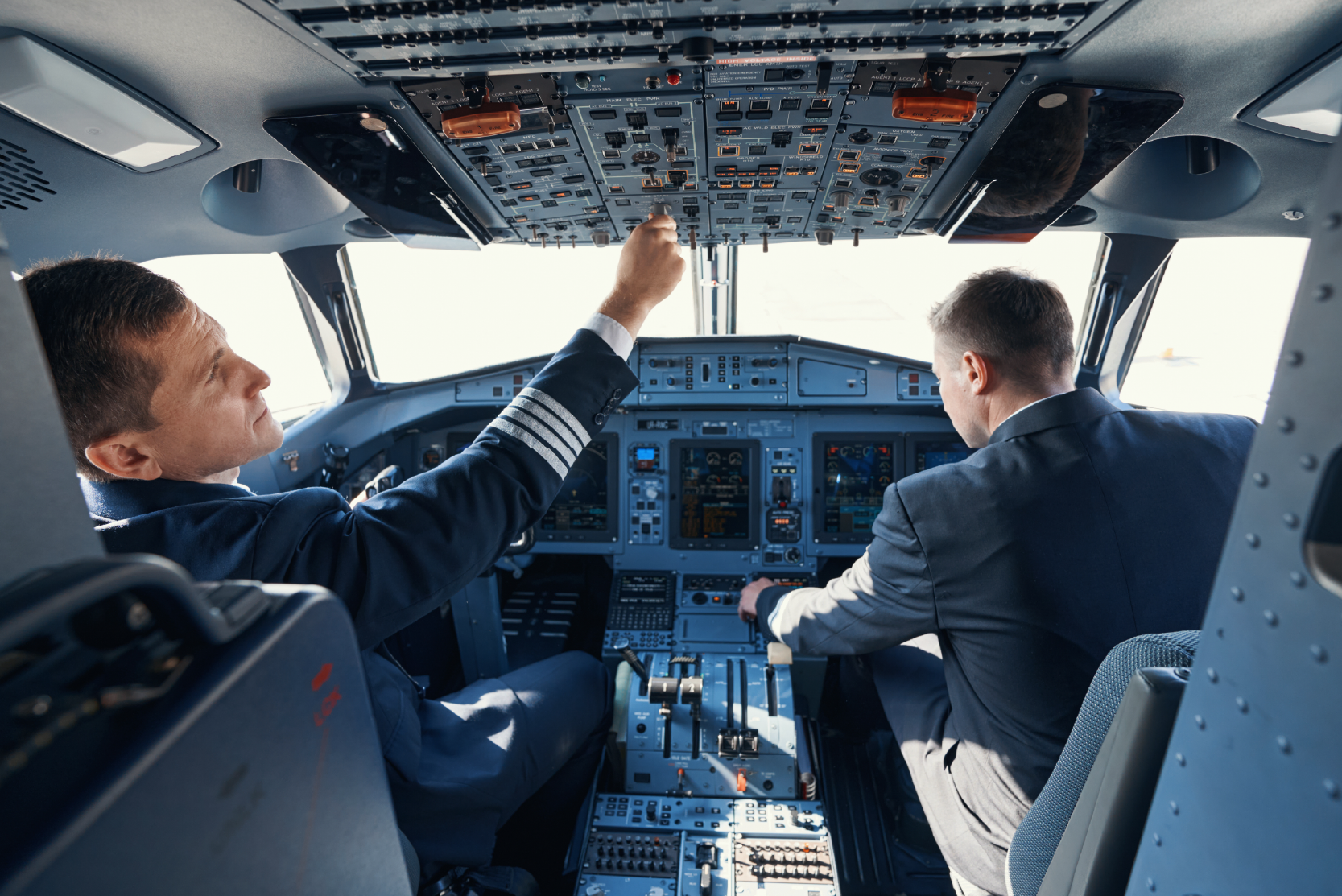
Learning how to take off, land, and maneuver an aircraft is an important part of flight training. But becoming a pilot requires much more than learning how to fly.
Pilots are constantly making decisions, solving problems, managing distractions, and communicating with others. They need to stay aware of what's happening around them and be prepared to adapt when circumstances change.
What happens when the weather changes along your route? Or when an airport becomes busier than expected? Pilots need to evaluate the situation, consider their options, and make safe decisions.
Through its collaboration with Boeing, CAU is providing students with additional resources that help them develop these important skills alongside their flight and academic training.
What is CBTA?
CBTA stands for Competency-Based Training and Assessment. In simple terms, it's a way of helping students understand the skills that contribute to becoming a safe and confident pilot.
Instead of focusing only on whether a student can complete a specific task, CBTA also looks at how they approach that task. For example:
- Can they recognize a potential problem before it becomes a bigger issue?
- Do they communicate clearly with others?
- Are they making thoughtful decisions when conditions change?
The goal is to help students build the habits, judgment, and confidence that support safe flying throughout their careers.
Why Does It Matter?
Every flight is different. Weather changes. Airports get busy. Plans need to be adjusted. Pilots must be ready to handle these situations safely and confidently. Being a pilot means much more than flying the airplane. It means making good decisions, communicating clearly, staying focused, and adapting when circumstances change.
The Boeing CBTA Learning Library helps students develop the skills and confidence needed to handle these situations safely and effectively.
The Nine Core Pilot Competencies
The Boeing CBTA Learning Library is built around nine core competencies that commercial pilots use every day.
Throughout the program, students will explore each competency and learn how it applies in real-world flying situations. A core competency is introduced and reinforced each academic term, helping students connect what they are learning in the classroom, simulator, and aircraft.
Together, these competencies help students develop the habits, judgment, and confidence needed to become safe and capable pilots.
Leadership & Teamwork
LTW
Being a pilot means working with others, including fellow pilots, instructors, air traffic control, dispatchers, and maintenance teams. Knowing when to take the lead and when to support the team is an important part of safe flight operations.
Example: Working with others to solve a problem and keep a flight operating safely.
Communication

COM
Clear communication helps everyone stay on the same page. Pilots must be able to share information clearly and make sure important details are understood.
Example: Communicating with air traffic control and other members of the flight team.
Situational Awareness
SAW
Pilots need to know what's happening around them and think ahead about what could happen next.
Example: Monitoring weather, traffic, and airport activity while preparing to land.
Workload Management
WLM
Flying involves managing many tasks at once. Pilots must learn how to prioritize, stay organized, and avoid becoming overwhelmed.
Example: Managing radio communications, navigation, and aircraft configuration during a busy approach.
Problem Solving and Decision Making

PSD
Things don't always go according to plan. Pilots must evaluate situations, consider their options, and make safe decisions.
Example: Deciding how to respond when weather changes along a planned route.
Application of Knowledge

KNO
Pilots use what they learn in training every time they fly. Understanding how aircraft systems, weather, and regulations work helps pilots make informed decisions.
Example: Using knowledge of aircraft systems to understand and respond to an unexpected indication.
Flight Path Management (Manual)

FPM
Technology is helpful, but pilots must also be able to confidently fly the aircraft by hand.
Example: Maintaining precise aircraft control when flying without automation.
Flight Path Management (Automation)
FPA
Modern aircraft use sophisticated technology. Pilots need to understand how to use automation effectively while continuing to monitor the flight.
Example: Choosing the right level of automation while maintaining awareness of the aircraft's performance.
Application of Procedures

PRO
Procedures and checklists help create consistency and support safety. Pilots must learn when and how to apply them correctly.
Example: Following a checklist before takeoff or during an abnormal situation.
What This Means for CAU Students
As the first U.S. flight school selected to deploy the Boeing CBTA Learning Library, CAU students gain access to learning resources designed around the skills pilots use throughout their careers.
These resources complement flight and academic training by helping students better understand how commercial pilots approach decision-making, communication, teamwork, and other real-world situations.
By introducing one competency each term, students have the opportunity to reinforce these concepts throughout their training and connect them to what they are learning in the classroom, simulator, and aircraft.
Request Information
Interested in learning at CAU? Request information to get started towards your airline pilot career pathway