What Is a Firefighting Pilot?
A firefighting pilot, sometimes called an aerial firefighting pilot or air attack pilot, flies aircraft that help combat wildfires and protect communities. These pilots are critical during wildfire season, especially in western states where large fires can spread rapidly.
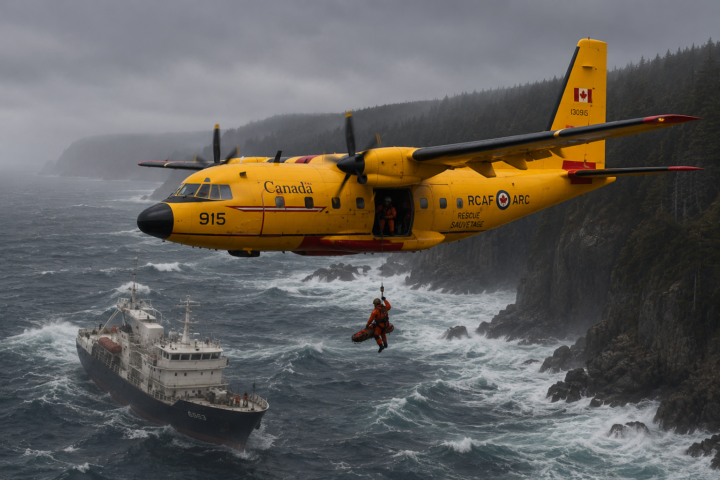
Firefighting pilots may fly helicopters or specially modified airplanes that drop water or fire retardant onto active fires. Others coordinate firefighting aircraft from above, directing crews and monitoring fire behavior.
This career combines aviation skill, emergency response, teamwork, and mission-driven flying.
What Does a Firefighting Pilot Do?
Firefighting pilots support wildfire suppression and emergency management operations.
Common Responsibilities
- Dropping water or retardant on fires
- Transporting firefighters and supplies
- Conducting aerial reconnaissance
- Monitoring fire growth and direction
- Coordinating with ground firefighting teams
- Flying in mountainous or smoky conditions
- Assisting evacuation operations
- Performing precision low-altitude flying
- Supporting rescue operations during disasters
Aerial firefighting is considered one of the most technically demanding types of flying because pilots often operate close to terrain, smoke, and rapidly changing weather conditions.
Types of Firefighting Pilots
Air Tanker Pilots
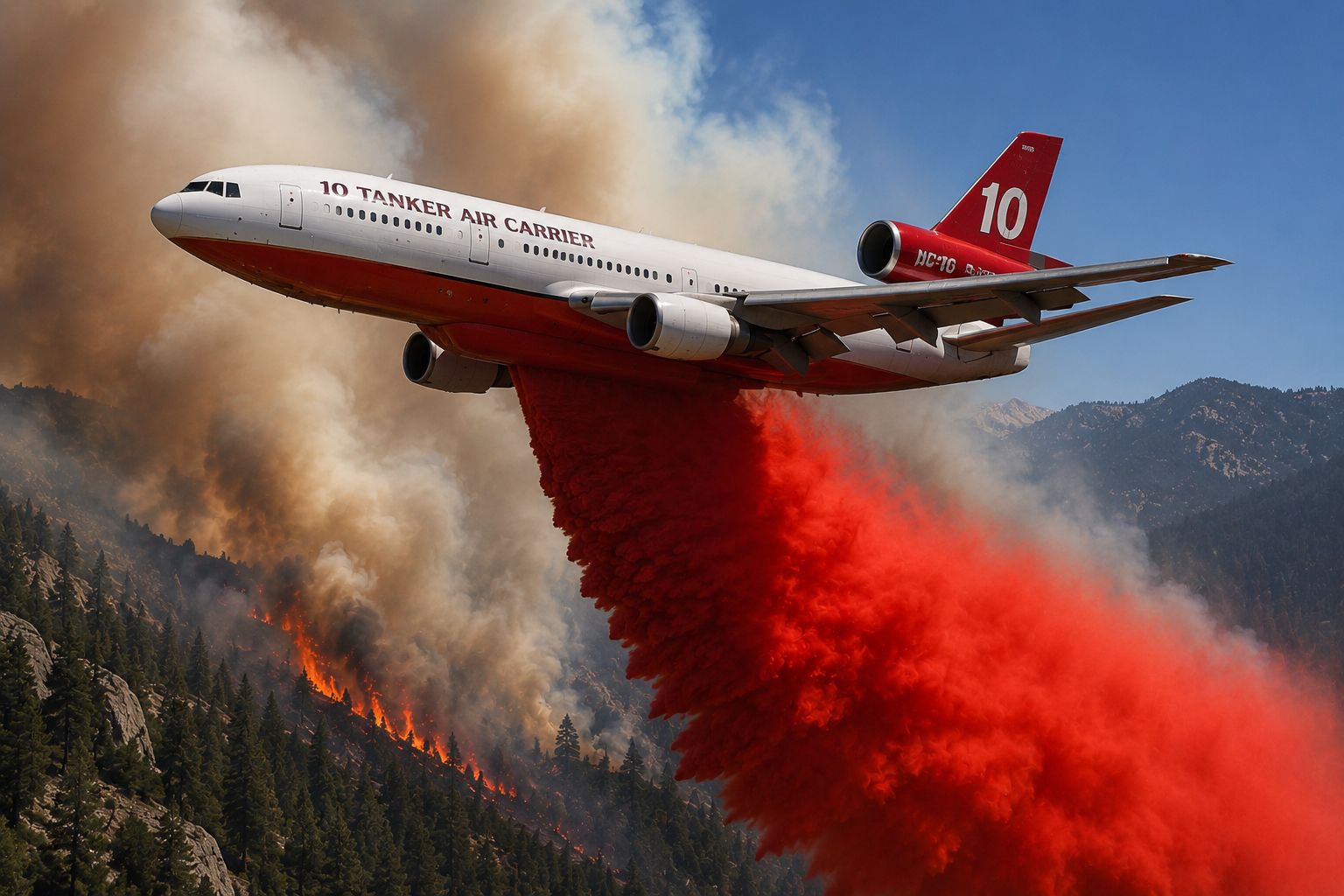
These pilots fly large aircraft that release fire retardant over wildfires.
Helicopter Firefighting Pilots
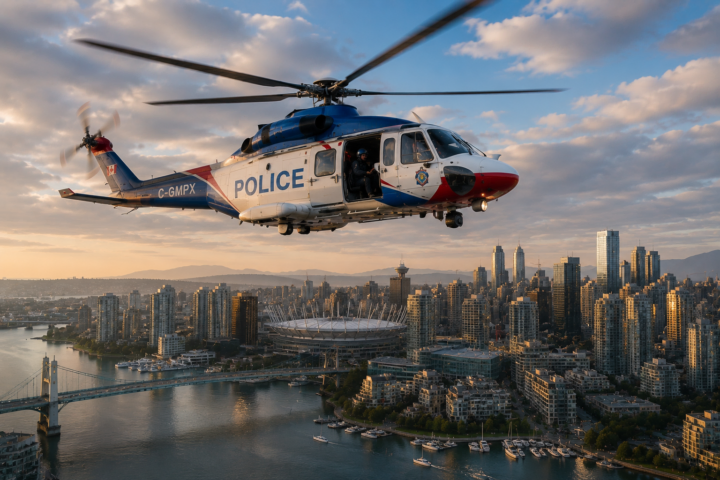
Helicopter pilots carry water buckets, transport crews, and support rescue missions.
Lead Plane Pilots
Lead plane pilots fly ahead of air tankers and guide them safely into drop zones.
Air Attack Pilots
These pilots coordinate aerial firefighting operations from above the fire.
Where Do Firefighting Pilots Work?
Notable Employers
- United States Forest Service, a United States federal agency
- CAL FIRE / California Department of Forestry and Fire Protection
- Bureau of Land Management, a United States federal agency
- Coulson Aviation
- Neptune Aviation Services
- 10 Tanker Air Carrier
- State forestry agencies
- Private aerial firefighting contractors
What Aircraft Do Firefighting Pilots Fly?
Common Firefighting Aircraft
- Canadair CL-415, water bomber aircraft
- Lockheed C-130 Hercules, military transport aircraft adapted for firefighting
- Douglas DC-10 Air Tanker, wide-body aerial firefighting aircraft
- Air Tractor AT-802, single-engine firefighting aircraft
- Sikorsky S-64 Skycrane, heavy-lift helicopter
- Bell 212, utility helicopter
Many of these aircraft are specially modified with tanks, buckets, or retardant delivery systems.
Firefighting Pilot Salary
Firefighting pilot salaries vary widely depending on aircraft type, experience level, and seasonal demand.
According to ZipRecruiter, the average annual salary for firefighting pilots in the United States was approximately $130,916 in 2026. (ziprecruiter.com)
Experienced tanker captains and specialized pilots can earn substantially more during active fire seasons.
Typical Salary Ranges
- Entry-level support flying roles: $60,000–$90,000
- Mid-career firefighting pilots: $100,000–$160,000
- Large air tanker captains: $200,000+
Some pilots are seasonal employees, while others work year-round.
How to Become a Firefighting Pilot
Step 1: Earn FAA Pilot Certificates
Most firefighting pilots begin with:
- Private Pilot Certificate
- Instrument Rating
- Commercial Pilot Certificate
- Multi-Engine Rating (for larger aircraft)
- Airline Transport Pilot (ATP) Certificate for advanced operations
Step 2: Build Significant Flight Experience
Aerial firefighting operators often require:
- 1,500–5,000+ total flight hours
- Mountain flying experience
- Low-level flight experience
- Turbine aircraft experience
- Tailwheel experience for some aircraft
Step 3: Gain Specialized Experience
Pilots may build experience through:
- Agricultural aviation
- Bush flying
- Utility helicopter work
- Military aviation
- Charter flying
- Cargo operations
Step 4: Complete Firefighting Training
Pilots receive specialized training in:
- Wildfire behavior
- Aerial drop procedures
- Emergency coordination
- Smoke operations
- Terrain awareness
- Fire communications
Skills Needed to Become a Firefighting Pilot
Important Skills
- Precision flying
- Calm decision-making
- Risk management
- Team coordination
- Navigation
- Weather interpretation
- Communication
- Physical and mental endurance
Firefighting pilots often work long hours during wildfire season and must remain highly focused.
Challenges of the Career
Aerial firefighting is one of aviation’s most dangerous specialties.
Common Challenges
- Flying near mountains and rough terrain
- Smoke reducing visibility
- Turbulence and extreme weather
- Long deployments away from home
- Physically demanding schedules
- High-pressure emergency environments
Despite the risks, many pilots are passionate about protecting lives, forests, and communities.
Notable Firefighting Pilots
Paul Mantz, aviator and aerial operations pioneer
An influential pilot who helped shape specialized aviation operations.
Steve Hinton, airshow and specialized aviation pilot
Known within aviation circles for advanced aircraft operations and aerial mission flying.
Why High School Students Should Consider This Career
This career is ideal for students who enjoy:
- Adventure
- Flying challenging missions
- Working outdoors
- Emergency response
- Teamwork
- Environmental protection
Wildfire activity has increased in many regions, creating continued demand for highly trained aerial firefighting professionals.
Firefighting Pilot FAQs
Is aerial firefighting dangerous?
Yes. It is considered one of the most demanding and hazardous aviation careers.
Do firefighting pilots only work during fire season?
Some positions are seasonal, while others are year-round.
Do firefighting pilots need military experience?
No, although military flying backgrounds are common.
What is the hardest part of the job?
Flying in smoke, mountainous terrain, and rapidly changing weather conditions can be extremely challenging.
Can helicopter pilots become firefighting pilots?
Yes. Many firefighting operations rely heavily on helicopters.
Ready to soar in your aviation career?