What Is a Police Pilot?
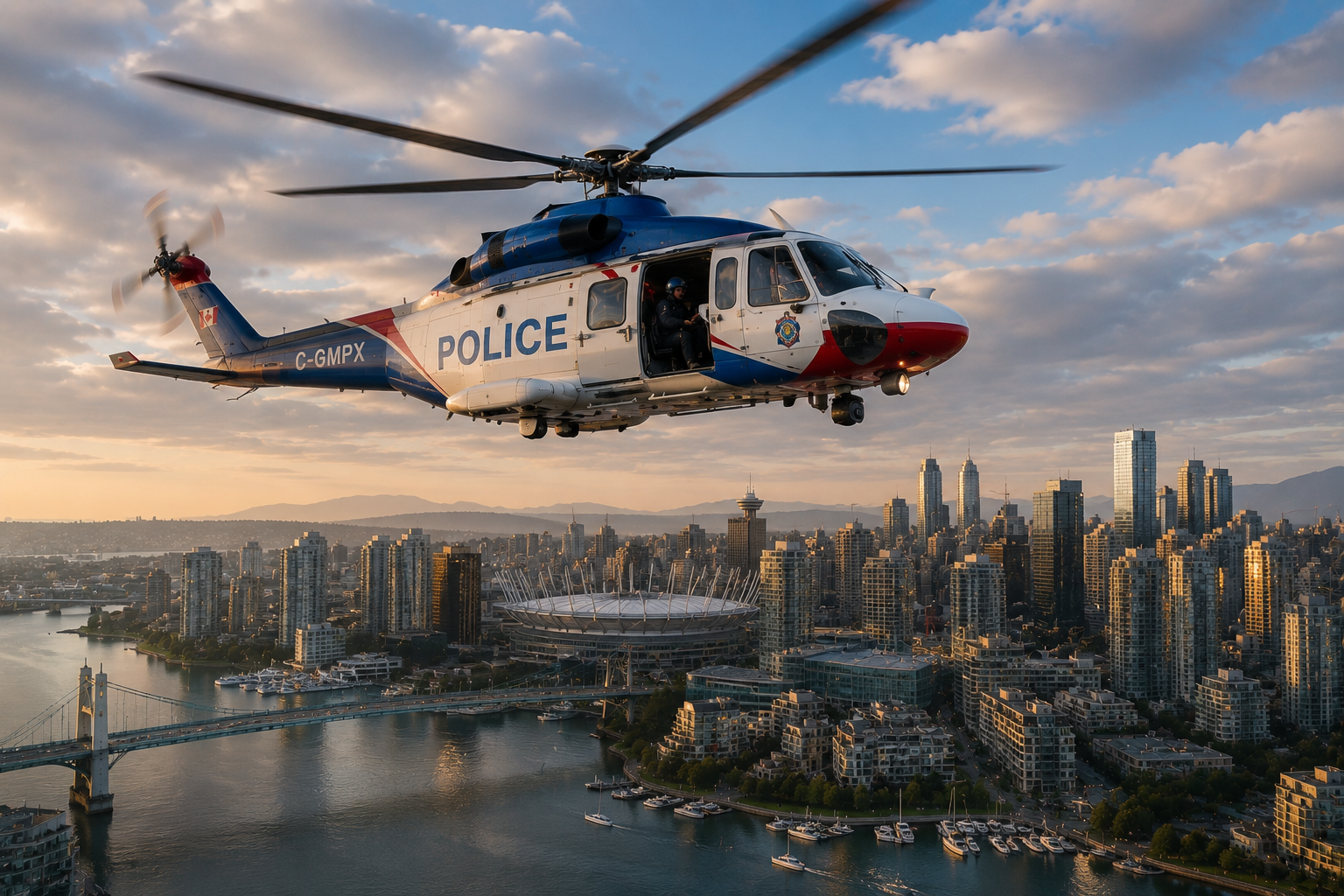
A police pilot is a professional aviator who works with law enforcement agencies to support public safety operations from the air. Police pilots fly helicopters or fixed-wing aircraft for city police departments, county sheriff’s offices, state police agencies, and federal law enforcement organizations. Their missions may include suspect tracking, traffic monitoring, surveillance, search operations, crowd control, disaster response, and tactical support for officers on the ground.
Police aviation units are one of the most exciting specialties within aviation because no two days are ever the same. One flight may involve helping officers locate a missing child, while another could involve monitoring a dangerous pursuit or assisting SWAT teams during a critical incident.
For students who are interested in both aviation and public service, becoming a police pilot can combine the thrill of flying with the opportunity to protect communities and save lives.
What Does a Police Pilot Do?
Police pilots perform a wide range of duties depending on their agency and aircraft type. Most police aviation units operate helicopters because they can hover, maneuver at low altitude, and support urban operations more effectively than airplanes.
Common Responsibilities
- Flying surveillance missions over cities, highways, or crime scenes
- Assisting officers during vehicle pursuits
- Helping locate missing persons or suspects
- Conducting aerial photography and mapping
- Supporting SWAT or tactical operations
- Monitoring large public events or protests
- Coordinating with dispatch and ground officers
- Operating night vision equipment and infrared cameras
- Assisting during natural disasters and emergency situations
- Maintaining aircraft safety and completing flight documentation
Police pilots often work closely with Tactical Flight Officers (TFOs), who operate cameras, radios, and surveillance equipment while the pilot focuses on flying the aircraft safely.
Because law enforcement flights frequently occur at night or in difficult weather conditions, police pilots must remain calm under pressure and make fast decisions.
Where Do Police Pilots Work?
Police pilots are employed by local, state, and federal agencies across the United States.
Notable Employers
- Federal Bureau of Investigation
- U.S. Customs and Border Protection, Air and Marine Operations
- Los Angeles Police Department Air Support Division
- New York Police Department Aviation Unit
- Texas Department of Public Safety
- County sheriff aviation divisions
- State police aviation units
- Border patrol aviation operations
Some of the largest police aviation programs in the world belong to agencies like the LAPD and NYPD.
What Aircraft Do Police Pilots Fly?
Police aviation units typically operate helicopters designed for observation, patrol, and tactical support.
Common Aircraft
- Airbus H125 single-engine utility helicopter
- Bell 407 light utility helicopter
- Airbus H135 twin-engine helicopter
- Bell 429 light twin-engine helicopter
- Cessna 182 Skylane single-engine aircraft for surveillance missions
Many aircraft are equipped with:
- Thermal imaging cameras
- Searchlights
- HD video systems
- Moving map displays
- Night vision goggles
- Police communication radios
Police Pilot Salary
Police pilot salaries vary depending on the agency, location, aircraft type, and years of experience.
According to the U.S. Bureau of Labor Statistics, the median annual wage for commercial pilots was $122,670 in 2024. (bls.gov)
Police pilots working for large metropolitan agencies or federal organizations may earn significantly more, especially when overtime, law enforcement benefits, and seniority are included.
Typical Police Pilot Salary Ranges
- Entry-level law enforcement aviation roles: $70,000–$100,000
- Experienced police helicopter pilots: $100,000–$160,000+
- Federal aviation positions: Often $120,000–$200,000+
Benefits may include:
- Government retirement pensions
- Health insurance
- Overtime opportunities
- Flight pay or hazard pay
- Tuition assistance
- Specialized tactical training
How to Become a Police Pilot
Step 1: Graduate High School
Focus on subjects such as:
- Math
- Physics
- Geography
- Criminal justice
- Communication
Participating in leadership organizations, Civil Air Patrol, ROTC, or community service programs can also strengthen your future applications.
Step 2: Earn Flight Training
Most police pilots begin by earning FAA pilot certifications.
Typical certifications include:
- Private Pilot Certificate
- Instrument Rating
- Commercial Pilot Certificate
- Certified Flight Instructor (optional but common)
- Rotorcraft/Helicopter Ratings
Most law enforcement aviation units prefer helicopter experience.
Step 3: Gain Flight Experience
Police aviation jobs are highly competitive. Many agencies require:
- 1,500–3,000+ flight hours
- Helicopter flight time
- Night flying experience
- Instrument flying experience
Pilots often gain experience through:
- Flight instructing
- Helicopter tours
- Utility flying
- Emergency medical flying
- Military aviation
Step 4: Build Law Enforcement Experience
Many agencies require pilots to first serve as police officers before joining the aviation unit.
This means candidates may need to:
- Attend a police academy
- Serve as patrol officers
- Gain several years of field experience
- Apply internally to the aviation division
Some federal agencies hire civilian pilots directly, but many local departments prefer sworn officers.
Skills Needed to Become a Police Pilot
Police pilots must develop both aviation and law enforcement skills.
Important Skills
- Situational awareness
- Communication
- Decision-making under pressure
- Teamwork
- Leadership
- Attention to detail
- Navigation skills
- Risk management
- Emotional control
Because police operations can become dangerous quickly, professionalism and discipline are extremely important.
Challenges of the Career
While exciting, police aviation can also be demanding.
Common Challenges
- Night shifts and irregular schedules
- High-pressure missions
- Exposure to dangerous situations
- Difficult weather conditions
- Emotional stress from emergencies
- Long training timelines
However, many police pilots say the ability to directly help people makes the career rewarding.
Notable People in Police Aviation
Frank D. Wilcox, former LAPD helicopter pilot
Known for helping develop modern airborne policing techniques.
Erik Estrada, actor and reserve police officer pilot advocate
While best known for television, Estrada has been involved in law enforcement advocacy and aviation awareness.
Why High School Students Should Consider This Career
Police aviation combines:
- Fast-paced flying
- Public service
- Advanced technology
- Tactical operations
- Team-oriented work
- Opportunities for specialization
Students interested in helicopters, law enforcement, and emergency response may find this career especially rewarding.
Police Pilot FAQs
Do police pilots need to be police officers first?
In many local departments, yes. However, some federal agencies and specialized units hire civilian pilots directly.
Do police pilots fly helicopters or airplanes?
Most police aviation units primarily use helicopters.
Is military experience required?
No, but military aviation experience can be highly valuable.
How long does it take to become a police pilot?
It may take 5–10 years to build the required flight hours and law enforcement experience.
Are police pilots armed?
Some are sworn law enforcement officers and may carry firearms depending on agency policy.
Ready to soar in your aviation career?