What Is a Search and Rescue Pilot?
A Search and Rescue (SAR) pilot flies missions designed to locate and rescue people in danger. SAR pilots are often called during emergencies involving lost hikers, missing aircraft, boating accidents, natural disasters, medical evacuations, or stranded survivors.
SAR pilots may operate helicopters or fixed-wing aircraft and often work alongside rescue swimmers, medics, firefighters, military personnel, and emergency response teams.
This career is highly mission-driven and focuses on saving lives.
What Does a SAR Pilot Do?
Search and Rescue pilots respond to emergencies in difficult environments.
Common Responsibilities
- Searching for missing persons
- Conducting medical evacuation flights
- Flying rescue teams into remote locations
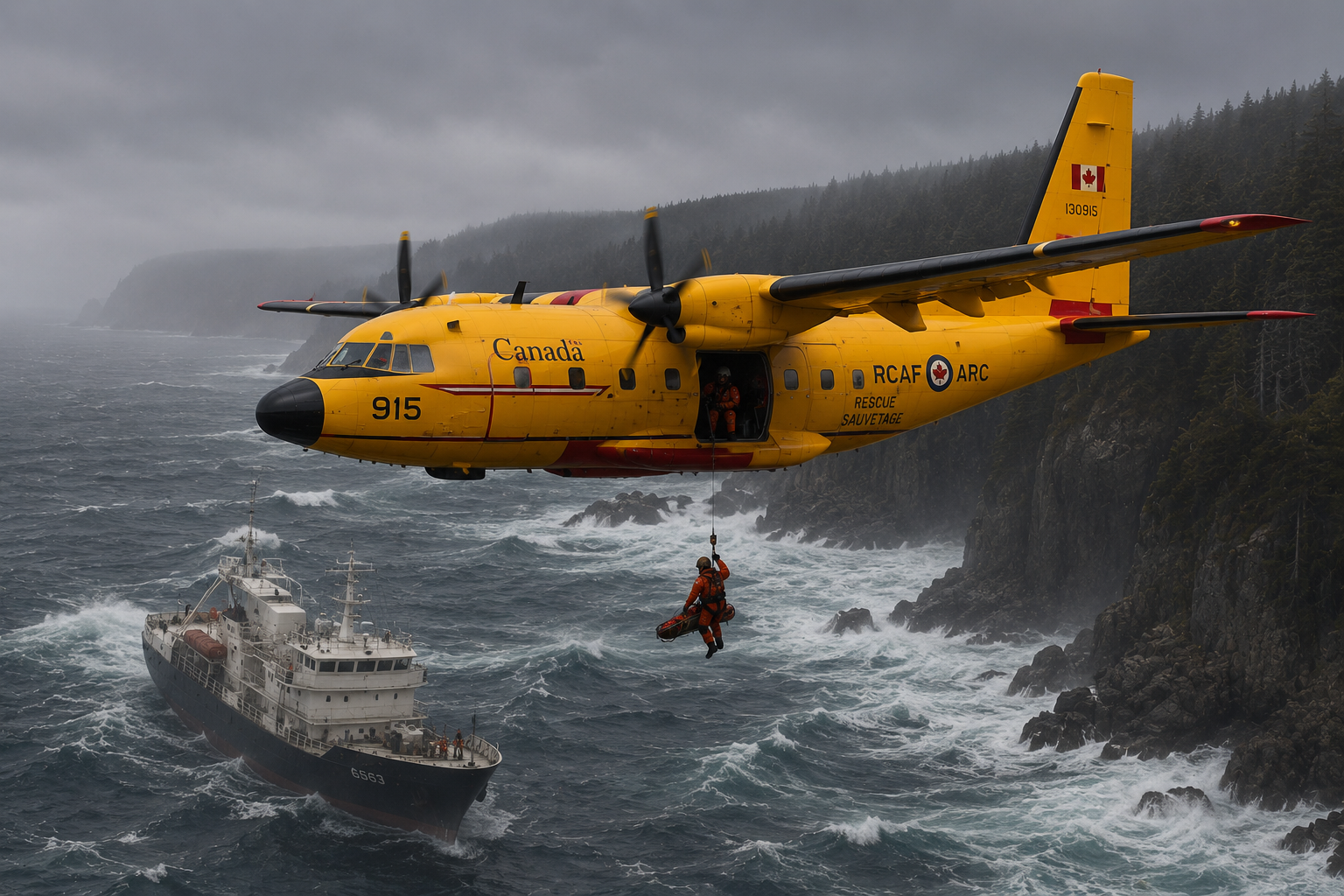
- Hoisting survivors from dangerous areas
- Supporting disaster relief operations
- Coordinating with emergency agencies
- Flying in severe weather conditions
- Operating over oceans, forests, mountains, or deserts
- Monitoring emergency locator transmitters
- Maintaining rescue aircraft readiness
SAR pilots may be called into action at any hour of the day or night.
Where Do SAR Pilots Work?
Notable Employers
- United States Coast Guard, a United States maritime security agency
- United States Air Force, rescue squadrons
- National Park Service, aviation divisions
- State emergency management agencies
- Sheriff’s departments
- Offshore rescue operators
- Civilian rescue organizations
- Medevac helicopter companies
Military and Coast Guard SAR units are among the most well-known rescue aviation organizations in the world.
What Aircraft Do SAR Pilots Fly?
Common SAR Aircraft
- Sikorsky HH-60 Pave Hawk, combat search and rescue helicopter
- Sikorsky MH-60 Jayhawk, United States Coast Guard rescue helicopter
- Airbus H145, light utility helicopter
- Leonardo AW139, medium-lift helicopter
- Lockheed HC-130, search and rescue aircraft
- Pilatus PC-12, single-engine turboprop aircraft
These aircraft are often equipped with:
- Rescue hoists
- Infrared sensors
- Search radars
- Emergency medical equipment
- Night vision systems
- Survival gear
SAR Pilot Salary
Search and Rescue pilot salaries vary depending on whether the pilot works in civilian government, military, or private emergency response operations.
Many SAR pilots fall within the commercial pilot salary range identified by the Bureau of Labor Statistics, which reported a median annual wage of $122,670 for commercial pilots in 2024. (bls.gov)
Typical Salary Ranges
- Entry-level SAR or rescue aviation roles: $70,000–$100,000
- Experienced civilian rescue helicopter pilots: $100,000–$180,000
- Military SAR pilots: Compensation varies by rank and service
- Specialized offshore rescue pilots: $150,000+
Additional benefits may include:
- Retirement plans
- Hazard pay
- Overtime
- Housing allowances
- Healthcare benefits
- Specialized training opportunities
How to Become a SAR Pilot
Step 1: Complete Flight Training
Future SAR pilots typically earn:
- Private Pilot Certificate
- Instrument Rating
- Commercial Pilot Certificate
- Helicopter Ratings
- ATP Certificate for advanced operations
Step 2: Gain Flight Experience
SAR employers often require:
- 1,500–3,000+ flight hours
- Night flying experience
- Instrument flight experience
- Mountain or offshore flying experience
- Helicopter turbine time
Step 3: Build Emergency Operations Experience
Helpful experience includes:
- Emergency medical flying n- Military aviation
- Offshore helicopter operations
- Law enforcement aviation
- Utility helicopter operations
- Flight instruction
Step 4: Complete Rescue Training
SAR pilots may receive training in:
- Rescue coordination
- Hoist operations
- Survival procedures
- Emergency medicine awareness
- Disaster response
- Crew resource management
Skills Needed to Become a SAR Pilot
Important Skills
- Communication
- Leadership
- Situational awareness
- Precision flying
- Teamwork
- Stress management
- Problem-solving
- Adaptability
SAR pilots must stay calm during emergencies because lives often depend on their decisions.
Challenges of the Career
Common Challenges
- Flying in severe weather
- Night rescue operations
- Emotional stress
- Long shifts and on-call schedules
- Dangerous rescue environments
- Difficult terrain and offshore operations
Despite these challenges, SAR pilots often describe their work as deeply meaningful.
Notable SAR Aviation Figures
Jayhawk rescue crews
Coast Guard rescue crews are internationally respected for lifesaving missions during hurricanes and maritime emergencies.
Tammy Jo Shults, pilot known for emergency aviation leadership
While best known for airline aviation, Shults represents the calm leadership and emergency management skills valued in rescue aviation.
Why High School Students Should Consider This Career
SAR aviation is ideal for students who want:
- A mission-focused career
- Exciting flying opportunities
- Opportunities to save lives
- Team-oriented work
- Adventure and travel
- High-impact public service
Few careers offer the same combination of aviation skill and direct humanitarian impact.
SAR Pilot FAQs
Do SAR pilots fly helicopters?
Most SAR missions use helicopters, although fixed-wing aircraft are also important.
Is military service required?
No, but military aviation experience is highly respected in the field.
Are SAR pilots on call?
Yes. Many rescue pilots work rotating shifts and emergency response schedules.
What is the most important skill for SAR pilots?
Situational awareness and calm decision-making are critical.
Can civilian pilots work in SAR?
Yes. Many civilian agencies and private operators hire SAR pilots.
Ready to soar in your aviation career?