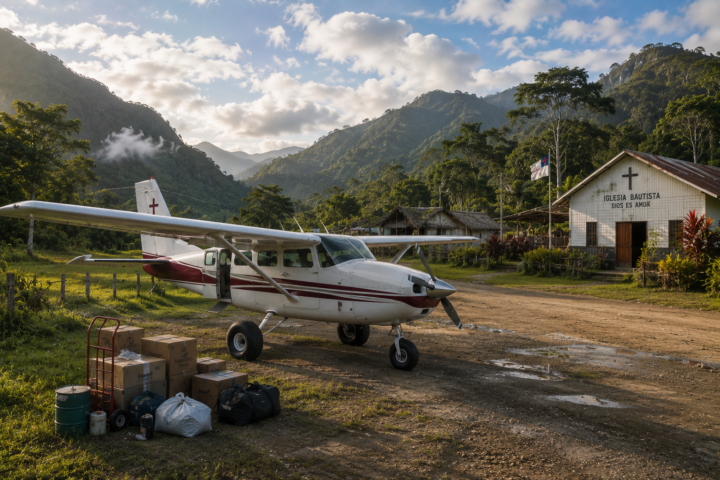
What Is an Aerial Operations Pilot?
An Aerial Operations Pilot flies aircraft in support of highly specialized missions that go far beyond traditional airline transportation. These pilots may work in surveillance, aerial photography, mapping, infrastructure inspections, border patrol, search-and-rescue support, utility patrols, wildlife monitoring, or emergency response. Instead of flying passengers between cities, Aerial Operations Pilots often focus on collecting information, supporting law enforcement or infrastructure operations, and conducting low-altitude flights with precision and accuracy.
This career is ideal for students who enjoy aviation but also want a dynamic and mission-focused environment. Every flight may involve different objectives, locations, and equipment. One day a pilot may inspect power lines, and the next day they may support disaster response efforts after a hurricane.
Roles and Responsibilities
Aerial Operations Pilots perform a wide range of responsibilities depending on the employer and mission type. Common duties include:
- Conducting low-altitude aerial surveys
- Flying observation missions for government agencies or private companies
- Supporting mapping and geographic data collection
- Operating aircraft equipped with cameras, LiDAR, infrared systems, or sensors
- Monitoring pipelines, railways, and utility infrastructure
- Assisting search-and-rescue operations
- Coordinating with ground crews and emergency personnel
- Maintaining detailed flight logs and mission reports
- Ensuring aircraft safety during challenging operations
These pilots often fly smaller aircraft such as the Cessna 172, Cessna Caravan, Piper Navajo, or helicopters depending on the mission profile.
Work Environment
Aerial Operations Pilots may work for:
- Government agencies
- Utility companies
- Engineering firms
- Environmental organizations
- Aviation contractors
- Law enforcement agencies
- Surveying and mapping companies
Unlike airline pilots who follow regular routes, these pilots often travel frequently and work in changing environments. Some missions may require long hours, remote locations, or challenging weather conditions.
Salary Expectations
Salary ranges vary widely based on experience, aircraft type, and employer.
Typical salary ranges include:
- Entry-Level Pilot: $45,000–$70,000 annually
- Mid-Level Pilot: $70,000–$110,000 annually
- Senior Specialized Operations Pilot: $120,000+ annually
According to the U.S. Bureau of Labor Statistics, commercial pilots had a median annual wage of approximately $113,000 in recent reports, though specialized mission pilots can vary significantly depending on the operation.
Education and Training Requirements
Most Aerial Operations Pilots begin by earning:
- Private Pilot License (PPL)
- Instrument Rating
- Commercial Pilot Certificate
- Multi-Engine Rating (often preferred)
- Certified Flight Instructor (optional but common)
Many employers also prefer:
- Experience with aerial photography or mapping systems
- Low-altitude flight experience
- Strong situational awareness
- GPS and avionics knowledge
- FAA Part 91 or Part 135 experience
A bachelor’s degree is helpful but not always required.
Important Skills
Successful Aerial Operations Pilots often possess:
- Precision flying ability
- Strong communication skills
- Adaptability
- Problem-solving skills
- Attention to detail
- Technical systems knowledge
- Ability to remain calm under pressure
Notable Employers
Examples of organizations that hire Aerial Operations Pilots include:
- U.S. Customs and Border Protection
- Civil Air Patrol
- Utility inspection contractors
- NV5 Geospatial
- Fugro
- EagleView
- Government emergency management agencies
Notable People
While many Aerial Operations Pilots work behind the scenes, aviation pioneers involved in aerial surveying and operations include:
- Bob Hoover – famous precision pilot known for advanced flight operations
- Charles Lindbergh – participated in aerial route surveying projects
- Steve Fossett – aviation explorer and special mission aviator
Career Outlook
The need for aerial data collection, infrastructure inspections, and emergency response operations continues to grow. New technologies such as infrared imaging, LiDAR, and advanced sensors are creating additional opportunities for pilots who can combine aviation skills with technical expertise.
Advantages of This Career
- Mission-focused flying
- Variety in daily work
- Opportunities to work with advanced technology
- Less repetitive than airline flying
- Potential for travel and adventure
Challenges
- Irregular schedules
- Weather-related operational risks
- Long periods of concentration
- Low-altitude flying hazards
- Extensive travel in some jobs
Frequently Asked Questions
Do I need a college degree?
Not always. Many employers focus more on flight experience and certifications.
Is this career dangerous?
It can involve higher-risk flying environments than airline operations because of low-altitude missions and changing conditions.
What aircraft do these pilots fly?
Common aircraft include Cessna aircraft, helicopters, King Airs, and specialized survey aircraft.
Is this a good pathway to airlines?
Yes. Many pilots build valuable flight hours and operational experience in aerial operations before moving to airlines.
Final Thoughts
Aerial Operations Pilots play an essential role in industries that support infrastructure, safety, environmental monitoring, and emergency response. For students who want exciting, mission-driven aviation careers that involve technology and problem-solving, this can be one of the most rewarding pathways in aviation.
Ready to soar in your aviation career?