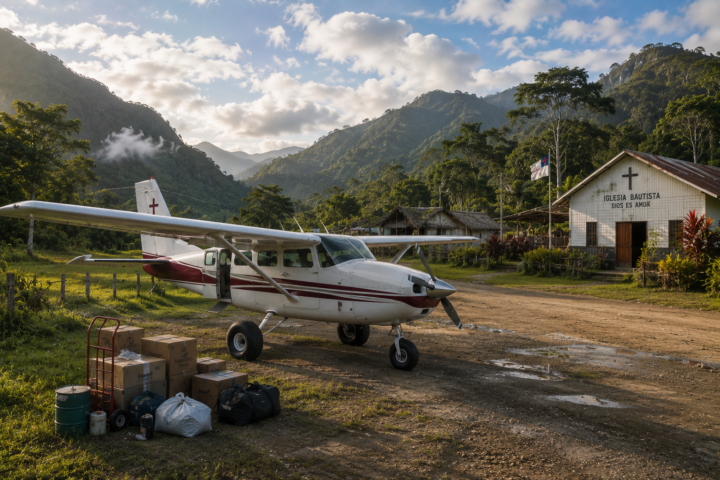
What Is an Environmental & Conservation Pilot?
Environmental and Conservation Pilots use aircraft to support wildlife protection, environmental research, conservation efforts, and natural resource management. These pilots help scientists, researchers, and environmental organizations monitor ecosystems and protect endangered species.
This career is ideal for students who care deeply about nature, sustainability, and protecting the environment while pursuing aviation.
Roles and Responsibilities
Environmental Pilots may:
- Conduct wildlife population surveys
- Track endangered species
- Monitor forests and ecosystems
- Support anti-poaching operations
- Fly aerial photography and mapping missions
- Assist wildfire monitoring efforts
- Conduct marine and coastal patrols
- Transport researchers and equipment
- Support environmental disaster assessments
Flights often occur in remote wilderness areas.
Typical Aircraft
Common aircraft include:
- Cessna 206
- De Havilland Beaver
- Pilatus PC-12
- Helicopters
- Floatplanes
- Bush aircraft
Salary Expectations
Typical salary ranges include:
- Entry-Level Conservation Pilot: $45,000–$70,000
- Experienced Environmental Pilot: $70,000–$110,000
- Specialized International Operations Pilot: $120,000+
Nonprofit organizations may offer lower salaries but meaningful mission work.
Education and Training
Most pilots need:
- Commercial Pilot Certificate
- Instrument Rating
- Tailwheel or bush flying experience
- Wilderness operations experience
- Low-altitude flight proficiency
Helpful educational backgrounds include:
- Environmental science
- Wildlife biology
- Aviation management
- Ecology
Important Skills
Environmental Pilots need:
- Strong situational awareness
- Remote operations experience
- Wildlife observation skills
- Patience and adaptability
- Navigation skills
- Strong communication with researchers
Notable Employers
Organizations include:
- U.S. Fish and Wildlife Service
- National Park Service
- World Wildlife Fund
- African Parks
- Conservation International
- State wildlife agencies
Notable People
- Jimmie Angel – explorer pilot connected with remote environmental operations
- Richard Bach – pilot and aviation author who promoted adventure flying
Career Outlook
As environmental monitoring becomes more important globally, aviation continues to play a key role in conservation and research operations.
Advantages
- Meaningful environmental impact
- Remote adventure flying
- Diverse missions
- Opportunities for international work
Challenges
- Remote operating conditions
- Lower salaries in nonprofit work
- Difficult terrain and weather
- Seasonal employment in some operations
FAQs
Do Conservation Pilots work internationally?
Yes. Many conservation operations occur in Africa, South America, Alaska, and remote island regions.
Is bush flying experience important?
Very important. Many missions involve short, unimproved runways.
Can this career lead to other aviation jobs?
Absolutely. Conservation pilots develop strong stick-and-rudder skills and operational experience.
Final Thoughts
Environmental & Conservation Pilots combine aviation with environmental stewardship. This career offers purpose-driven flying for students who want to make a positive difference while exploring remote and beautiful parts of the world.
Ready to soar in your aviation career?