What Is a Missionary Pilot?
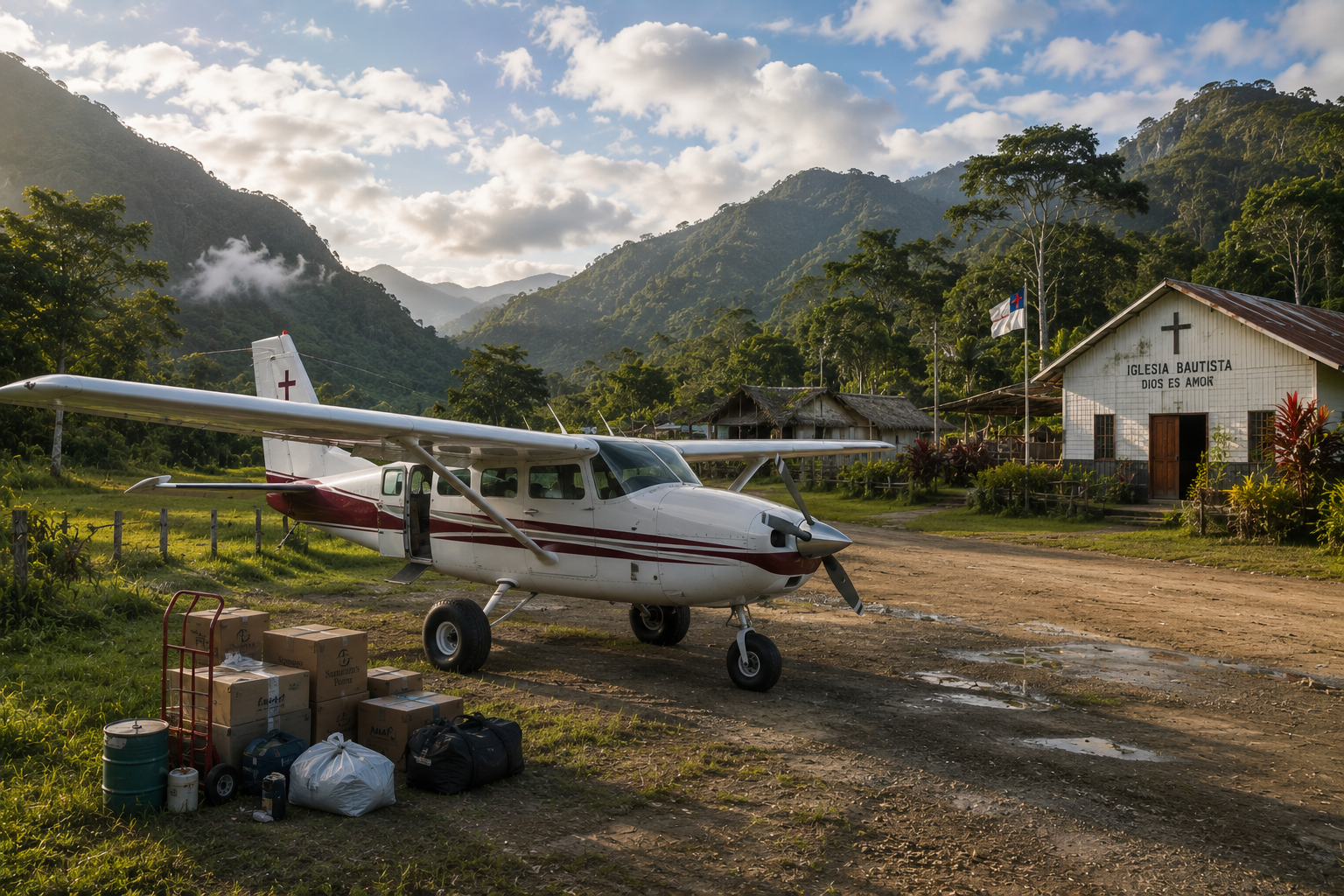
Missionary Pilots use aviation to transport people, supplies, medical aid, and humanitarian resources to remote communities around the world. These pilots often serve in areas with limited transportation infrastructure.
Missionary aviation combines flying with humanitarian service.
Roles and Responsibilities
Missionary Pilots may:
- Deliver medical supplies
- Transport doctors and aid workers
- Fly humanitarian missions
- Support disaster relief operations
- Transport food and emergency equipment
- Conduct evacuations from remote regions
- Maintain aircraft in austere conditions
Aircraft Used
Common aircraft include:
- Cessna Caravan
- Kodiak 100
- Pilatus PC-6 Porter
- Helio Courier
- Quest Kodiak
- Bush aircraft
Salary Expectations
Many Missionary Pilots work through nonprofit organizations.
Typical compensation may include:
- Support-based funding
- Modest salaries of $30,000–$70,000
- Housing and mission support benefits
Some humanitarian aviation organizations offer more competitive compensation.
Education and Training
Requirements often include:
- Commercial Pilot Certificate
- Instrument Rating
- Multi-Engine Rating
- Tailwheel experience
- Bush flying experience
- Mechanical aptitude
Many pilots also study:
- Theology
- Humanitarian aid
- Cross-cultural communication
Important Skills
Missionary Pilots need:
- Adaptability
- Compassion
- Problem-solving ability
- Remote operations experience
- Cultural awareness
- Strong interpersonal skills
Notable Organizations
Organizations include:
- Mission Aviation Fellowship (MAF)
- Samaritan’s Purse
- JAARS
- Ethnos360 Aviation
- Wings of Hope
Notable People
- Nate Saint
- Betty Greene (founder of MAF)
Career Outlook
Humanitarian aviation remains essential in regions lacking roads and transportation infrastructure.
Advantages
- Purpose-driven work
- International travel
- Strong humanitarian impact
- Adventure flying opportunities
Challenges
- Lower salaries
- Remote living conditions
- Limited infrastructure
- Emotional stress in crisis zones
FAQs
Do Missionary Pilots need to raise support?
Often yes, especially in nonprofit organizations.
Is bush flying important?
Very important because many destinations have rough or short airstrips.
Can Missionary Pilots transition to airlines?
Yes. Many gain exceptional operational experience.
Final Thoughts
Missionary Pilots provide critical transportation and humanitarian support to communities around the world. Students seeking meaningful work and adventure may find this career deeply fulfilling.
Ready to soar in your aviation career?