A&P Mechanic Career Guide: What They Do, Certifications, Salary, Employers, and Career Advancement
An A&P Mechanic is one of the most recognized and important professionals in aviation maintenance. The title “A&P” stands for Airframe and Powerplant, which are the two FAA mechanic ratings that allow a certified mechanic to work on aircraft structures, systems, and engines. A&P Mechanics inspect, troubleshoot, repair, and maintain aircraft so they can operate safely and legally.
For students who enjoy aviation, mechanical systems, tools, problem-solving, and hands-on technical work, becoming an A&P Mechanic can be a strong career path. A&P Mechanics are needed by airlines, cargo carriers, repair stations, corporate flight departments, manufacturers, flight schools, helicopter operators, and government aviation organizations. Because aircraft maintenance is essential to flight safety, this career carries significant responsibility and strong long-term career potential.
What Is an A&P Mechanic?
An A&P Mechanic is an FAA-certificated aviation mechanic who holds both the Airframe and Powerplant ratings. According to the Federal Aviation Administration, the FAA issues a mechanic certificate with an Airframe rating, a Powerplant rating, or both. When a mechanic earns both ratings, the credential is commonly called an A&P certificate.
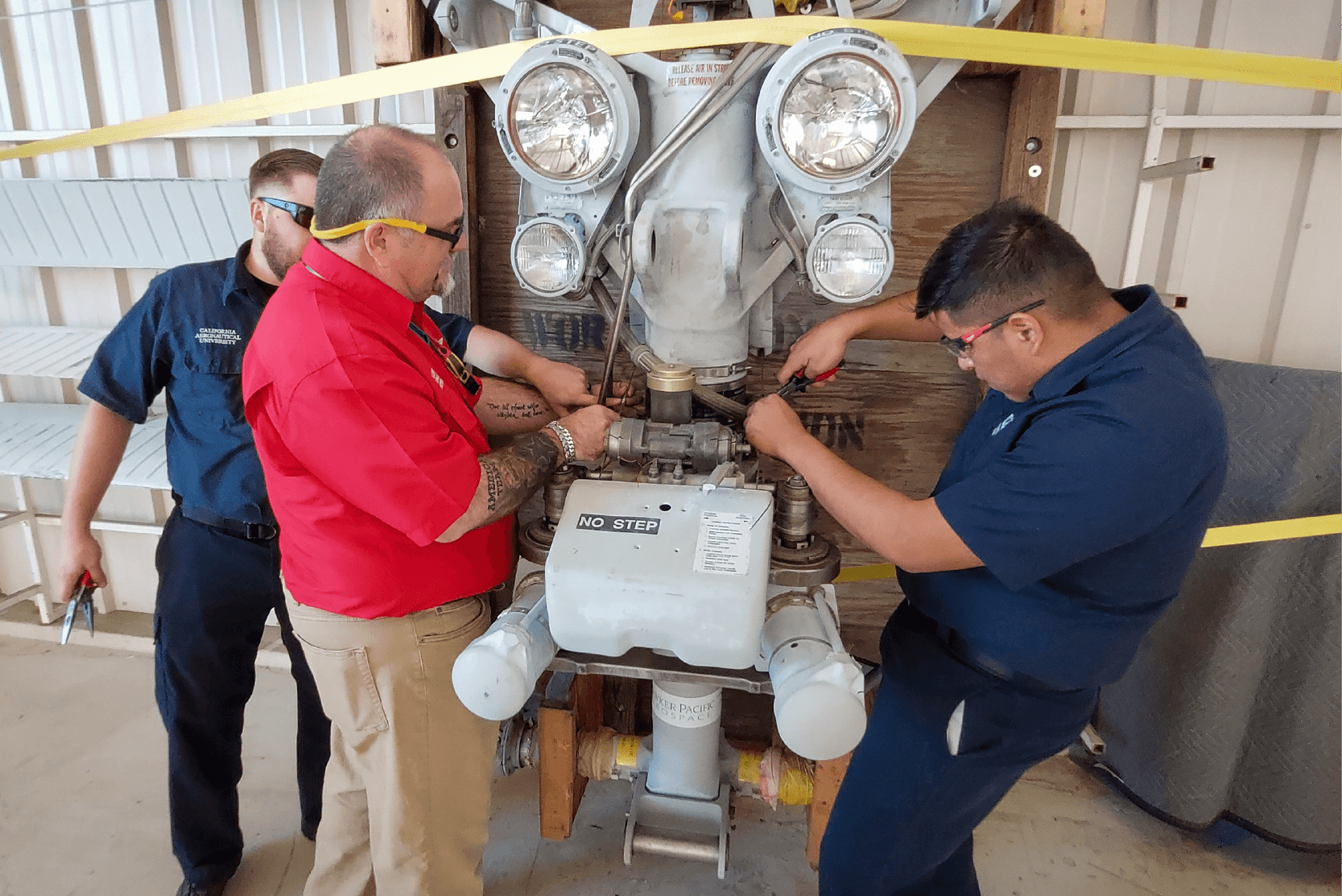
The Airframe rating focuses on the aircraft’s structure and non-engine systems. This may include the fuselage, wings, landing gear, brakes, hydraulic systems, flight controls, environmental systems, and other airframe components. The Powerplant rating focuses on aircraft engines and propulsion systems, including turbine engines, piston engines, propellers, fuel systems, ignition systems, and engine accessories.
Because A&P Mechanics are trained across both airframe and engine systems, they are often more versatile than technicians with only one rating. Many employers prefer or require A&P certification because it allows a mechanic to perform a broader range of aircraft maintenance tasks.
Roles and Responsibilities
A&P Mechanics are responsible for maintaining aircraft in safe operating condition. Their exact duties depend on the employer, aircraft type, work environment, and experience level, but their work usually includes inspection, troubleshooting, repair, testing, and documentation.
Common responsibilities include:
- Inspecting aircraft systems, structures, and engines
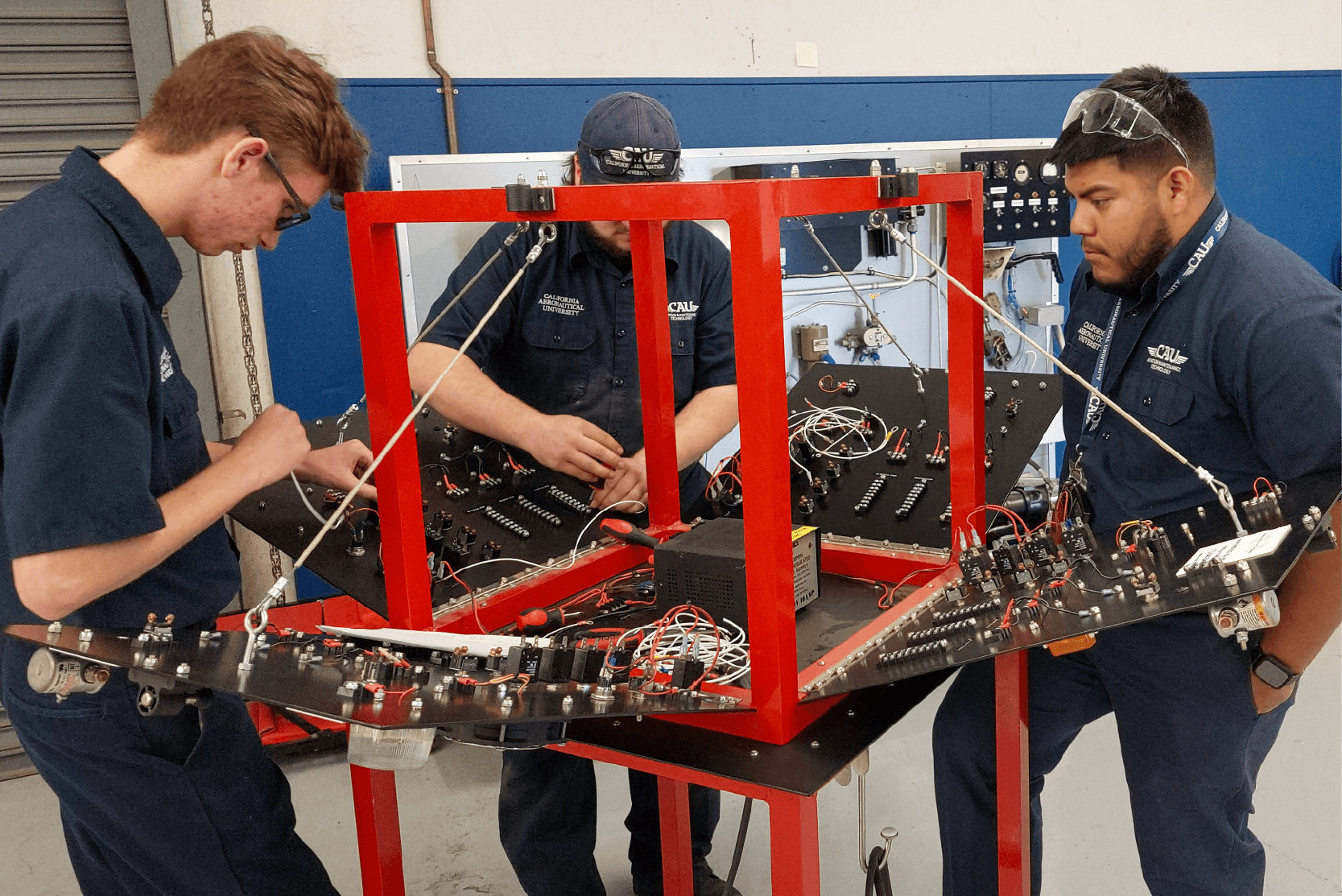
- Troubleshooting mechanical, hydraulic, pneumatic, electrical, and fuel system issues
- Repairing or replacing worn, damaged, or defective parts
- Performing scheduled maintenance checks
- Completing unscheduled maintenance when problems are discovered
- Reading and following aircraft maintenance manuals
- Interpreting service bulletins, airworthiness directives, and technical instructions
- Testing aircraft systems after maintenance
- Maintaining aircraft records and logbooks
- Coordinating with pilots, inspectors, supervisors, and other technicians
- Ensuring work complies with FAA regulations, manufacturer procedures, and company standards
The U.S. Bureau of Labor Statistics describes aircraft mechanics and service technicians as professionals who diagnose mechanical or electrical problems, repair wings, brakes, electrical systems, and other aircraft components, inspect completed work, and keep maintenance records. These duties reflect the core responsibilities of an A&P Mechanic.
A&P Mechanics must be detail-oriented because even small maintenance errors can create major safety risks. They also need strong troubleshooting skills, mechanical ability, physical stamina, and the discipline to follow technical procedures closely.
Typical Certifications and Qualifications
The primary credential for this career is the FAA Aviation Mechanic Certificate with both Airframe and Powerplant ratings.
FAA Airframe Rating
The Airframe rating authorizes a mechanic to work on the aircraft’s structure and many non-engine systems. This may include the fuselage, wings, landing gear, flight controls, hydraulic systems, brakes, and other aircraft systems.
FAA Powerplant Rating
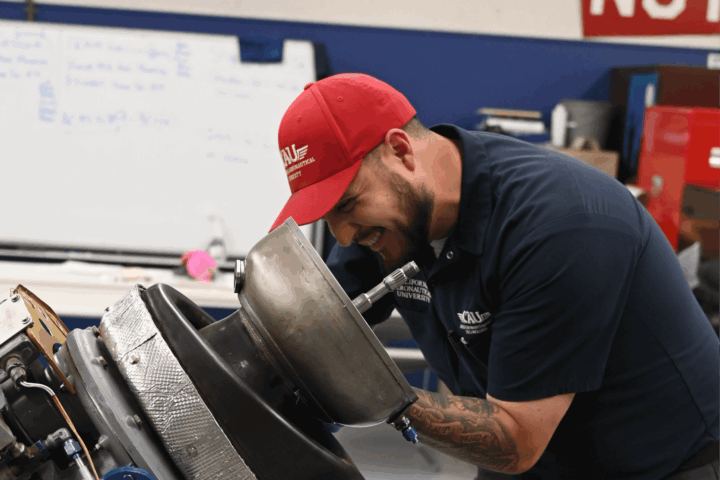
The Powerplant rating authorizes a mechanic to work on aircraft engines and propulsion systems. This can include turbine engines, piston engines, propellers, fuel systems, ignition systems, engine accessories, and related components.
FAA Airframe and Powerplant Certificate
The A&P certificate combines both ratings. According to the FAA, applicants must pass the required knowledge, oral, and practical tests to earn a mechanic certificate with Airframe and/or Powerplant ratings. Applicants may qualify through an FAA-certificated Aviation Maintenance Technician School, qualifying practical experience, or eligible military aviation maintenance experience.
Inspection Authorization
Inspection Authorization, commonly called IA, is an advanced FAA authorization for experienced A&P Mechanics. According to FAA guidance, mechanics use FAA Form 8610-1 to apply for Inspection Authorization testing or renewal. IA can allow qualified mechanics to perform certain inspections and approve major repairs or alterations. This credential is especially valuable for mechanics who want to move into inspection, quality assurance, independent maintenance, or leadership roles.
Additional Specialty Training
A&P Mechanics may also pursue training in avionics, nondestructive testing, composites, welding, aircraft painting, corrosion control, safety management systems, human factors, turbine engines, helicopters, or specific aircraft models. Manufacturer-specific training can be especially valuable for mechanics who work on business jets, commercial aircraft, helicopters, or advanced turbine aircraft.
A&P Mechanic Salary
A&P Mechanic pay varies based on experience, location, employer, aircraft type, shift schedule, union status, overtime, and specialization. Because the U.S. Bureau of Labor Statistics groups A&P Mechanics under aircraft mechanics and service technicians, BLS wage data is one of the strongest public sources for salary information.
According to the U.S. Bureau of Labor Statistics Occupational Outlook Handbook, aircraft mechanics and service technicians earned a median annual wage of $78,680 in May 2024. The BLS also reported that the lowest 10 percent earned less than $47,790, while the highest 10 percent earned more than $120,080. These figures show that entry-level and experienced A&P Mechanics can have very different earning potential depending on their employer and career stage.
The BLS also reports that wages vary by industry. In May 2024, aircraft mechanics and service technicians working in air transportation earned a median annual wage of $95,320. Those working in couriers and express delivery services earned $89,220, while those working in aerospace product and parts manufacturing earned $82,560. Mechanics working for the federal government earned $72,920, and those in support activities for air transportation earned $66,960.
These salary figures are important for students because they show how employer type can affect long-term earning potential. A&P Mechanics working for major airlines, cargo operators, business aviation companies, manufacturers, or specialized repair stations may have access to higher wages, overtime, shift differentials, union pay scales, and advancement opportunities.
Typical Employers
A&P Mechanics work across nearly every part of the aviation industry. Because aircraft need regular inspection, repair, and preventive maintenance, A&P-certified mechanics are needed wherever aircraft operate.
Common employers include:
- Major airlines
- Regional airlines
- Cargo airlines
- Maintenance, repair, and overhaul facilities
- FAA-certified repair stations
- Fixed-base operators
- Corporate flight departments
- Charter aviation companies
- Business jet service centers
- Flight schools
- Aircraft manufacturers
- Aerospace parts manufacturers
- Helicopter operators
- Emergency medical aviation companies
- Agricultural aviation operators
- Government agencies
- Defense contractors
- Military aviation support organizations
- General aviation maintenance shops
Airline A&P Mechanics may perform line maintenance, overnight checks, base maintenance, inspections, and troubleshooting. Corporate aviation mechanics may maintain business jets for private owners or company flight departments. Repair station mechanics may work on customer aircraft, engines, components, or specialized systems. Manufacturing employers may hire A&P Mechanics for production support, flight test, quality control, and aircraft delivery.
Work Environment
A&P Mechanics usually work in hangars, repair stations, manufacturing facilities, airport ramps, or maintenance shops. Some work indoors in controlled environments, while others work outside around active aircraft operations. The job can involve noise, weather exposure, chemicals, moving equipment, and tight schedules.
The work is often physical. Mechanics may climb ladders, use lifts, crawl into tight spaces, lift parts, reach overhead, stand for long periods, and use hand tools or diagnostic equipment. Depending on the employer, A&P Mechanics may work nights, weekends, holidays, or rotating shifts. Airline and cargo operations often require around-the-clock maintenance coverage.
Career Advancement
A&P certification can open many career pathways in aviation maintenance. Many mechanics begin in entry-level or junior technician roles and advance as they gain experience, aircraft knowledge, and specialized training.
Common advancement paths include:
- Lead Mechanic
- Crew Chief
- Aircraft Inspector
- Quality Control Inspector
- Maintenance Controller
- Maintenance Planner
- Maintenance Supervisor
- Maintenance Manager
- Chief Inspector
- Director of Maintenance
Some A&P Mechanics specialize in areas such as turbine engines, helicopters, avionics, structures, composites, nondestructive testing, or aircraft-specific maintenance. Others move into quality assurance, technical support, reliability analysis, maintenance planning, or manufacturer field service.
A&P Mechanics who earn Inspection Authorization may move into more advanced inspection roles or independent aircraft maintenance. Experienced mechanics may also become aviation maintenance instructors, technical trainers, FAA Designated Mechanic Examiners, or FAA aviation safety inspectors.
Skills Needed to Succeed
Successful A&P Mechanics need both technical and professional skills. Important qualities include:
- Mechanical aptitude
- Troubleshooting ability
- Attention to detail
- Ability to read technical manuals
- Tool and equipment proficiency
- Safety awareness
- Strong documentation habits
- Physical stamina
- Communication skills
- Teamwork
- Accountability
- Willingness to keep learning
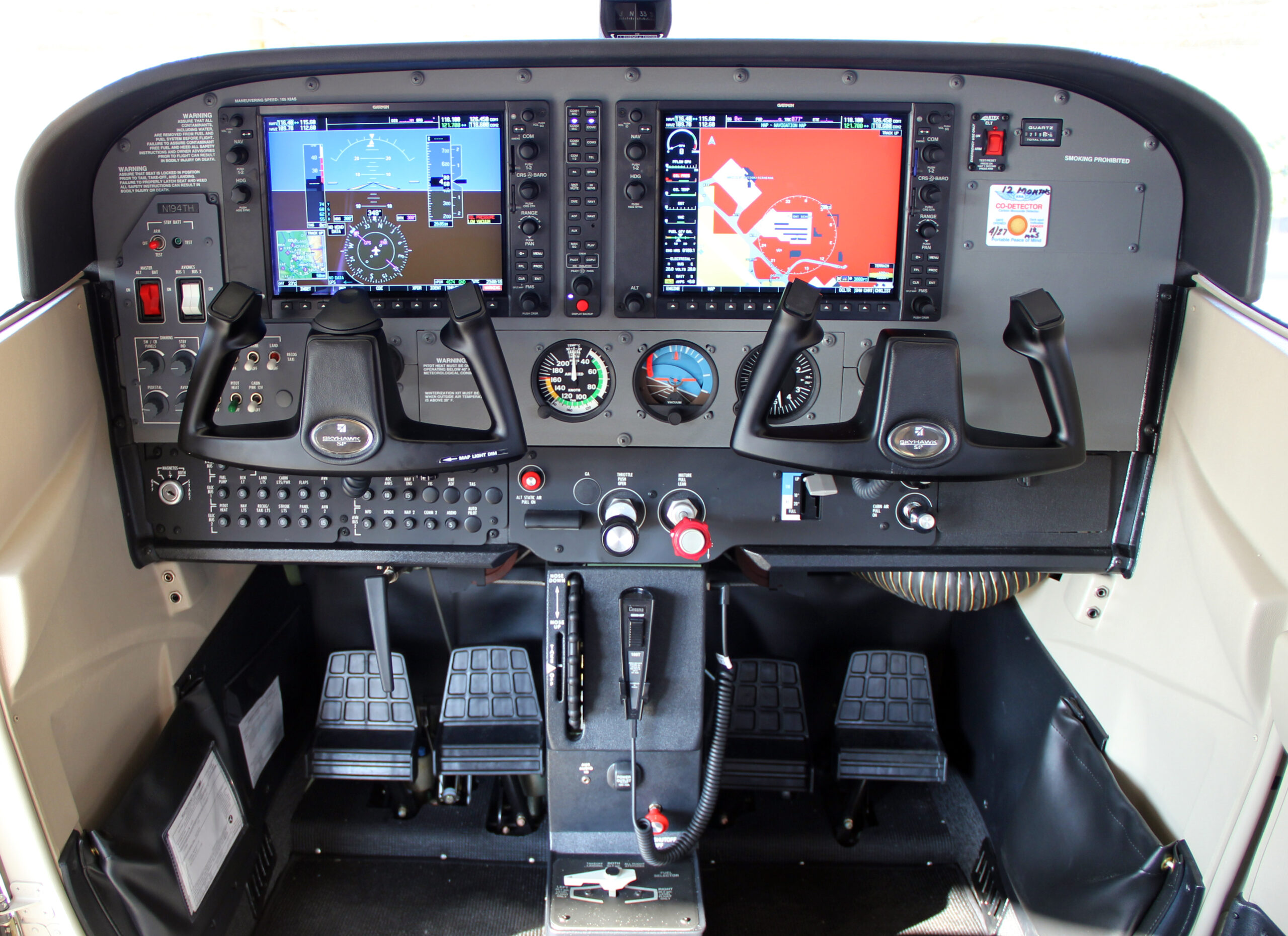
Modern aircraft continue to become more advanced, with digital systems, composite materials, turbine technology, electronic diagnostics, and integrated avionics. A&P Mechanics who continue learning throughout their careers can remain competitive and qualify for more advanced opportunities.
Is A&P Mechanic a Good Career?
A&P Mechanic can be an excellent career for people who want a hands-on technical role in aviation. It offers a clear certification pathway, strong salary potential, broad employer options, and many opportunities for advancement. It is also a career with real responsibility, because maintenance quality directly affects aircraft safety.
The work can be demanding. A&P Mechanics may work irregular schedules, handle physical tasks, and operate under strict safety and regulatory expectations. However, for students who enjoy mechanical systems, aviation, and solving technical problems, this career can be highly rewarding.
For students exploring aviation maintenance technology, the A&P certificate is one of the most valuable credentials in the field. It can lead to careers in airlines, corporate aviation, cargo, manufacturing, repair stations, inspection, maintenance management, and aviation safety. With experience, continued training, and strong work habits, an A&P Mechanic can build a long-term aviation career that extends far beyond the hangar.
Ready to soar in your aviation career?