Avionics Technician Career Guide: What They Do, Certifications, Salary, Employers, and Career Advancement
Avionics Technicians are specialized aviation maintenance professionals who install, inspect, test, troubleshoot, and repair the electronic systems used in aircraft. While aircraft mechanics often focus on mechanical systems, structures, engines, hydraulics, and landing gear, Avionics Technicians focus on the complex electronic equipment that helps aircraft communicate, navigate, monitor performance, and operate safely.
Modern aircraft rely heavily on avionics. Communication radios, navigation systems, radar, autopilot, flight management systems, transponders, weather systems, cockpit displays, sensors, wiring, and aircraft data networks all fall within the world of avionics. As aircraft continue to become more advanced, the role of the Avionics Technician has become increasingly important.
For students who are interested in aviation, electronics, computers, troubleshooting, and hands-on technical work, becoming an Avionics Technician can be a strong career path. It is a career that blends aviation maintenance with electrical systems, digital technology, software, testing equipment, and safety regulations.
What Is an Avionics Technician?
An Avionics Technician is a technician who works on aircraft electronic systems. The word “avionics” comes from “aviation electronics,” and it refers to the electronic systems used to control, communicate, navigate, monitor, and support aircraft operations.
According to the U.S. Bureau of Labor Statistics, aircraft and avionics equipment mechanics and technicians install, test, adjust, and repair equipment and systems in aircraft. The BLS describes Avionics Technicians as specialists who repair and maintain aircraft electronic systems, including radio communications equipment and radar.
Avionics Technicians may work on commercial airliners, cargo aircraft, business jets, helicopters, military aircraft, general aviation aircraft, and unmanned aircraft systems. Some work in hangars or repair stations, while others work for aircraft manufacturers, airlines, avionics shops, government agencies, or aerospace contractors.
Roles and Responsibilities
The responsibilities of an Avionics Technician can vary depending on the employer and aircraft type. However, the work usually centers on aircraft electronic systems, testing, troubleshooting, installation, repair, and documentation.
Common responsibilities include:
- Testing aircraft electronic equipment
- Troubleshooting communication and navigation systems
- Repairing or replacing malfunctioning avionics components
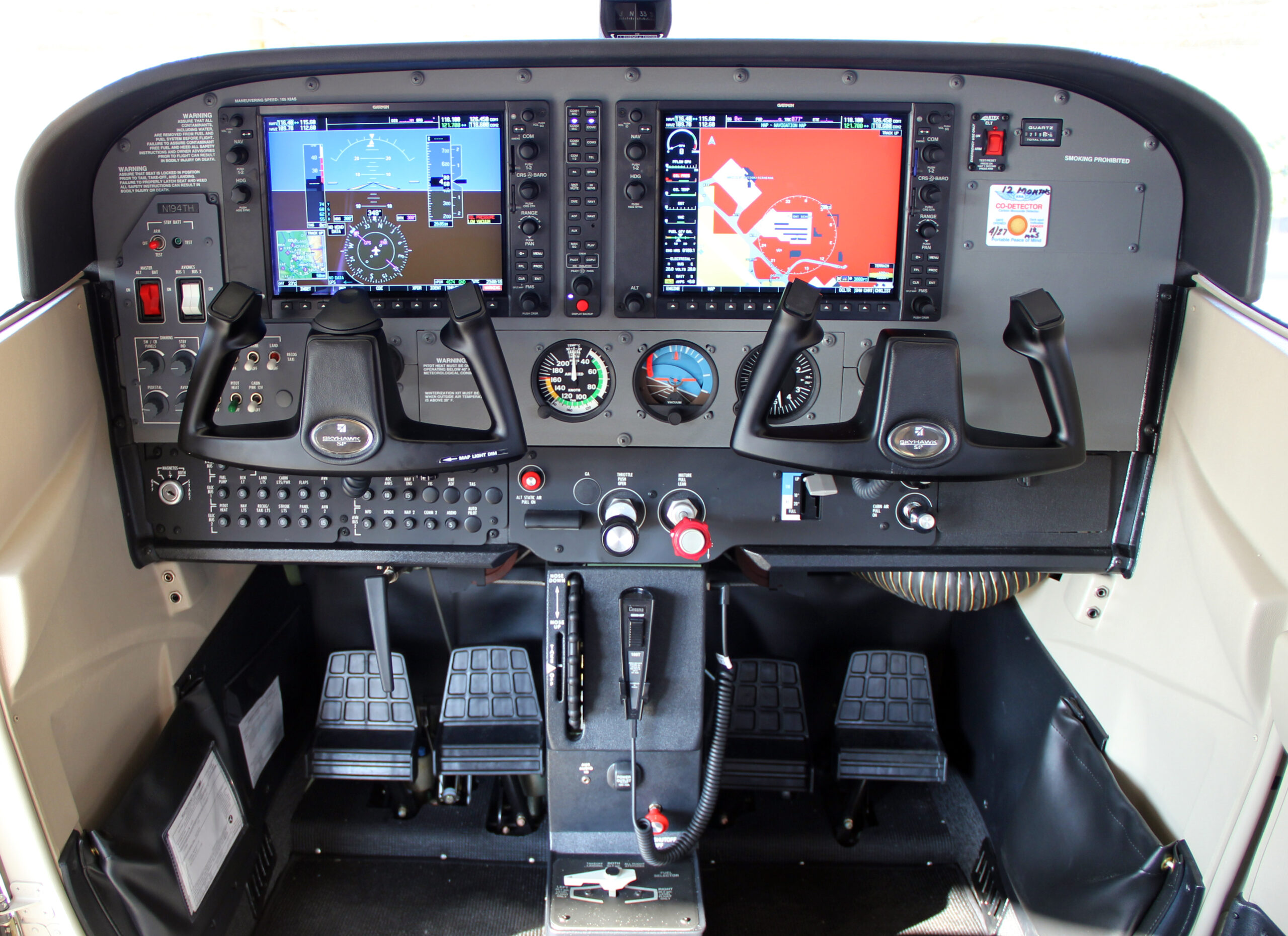
- Installing instrument panels and cockpit displays
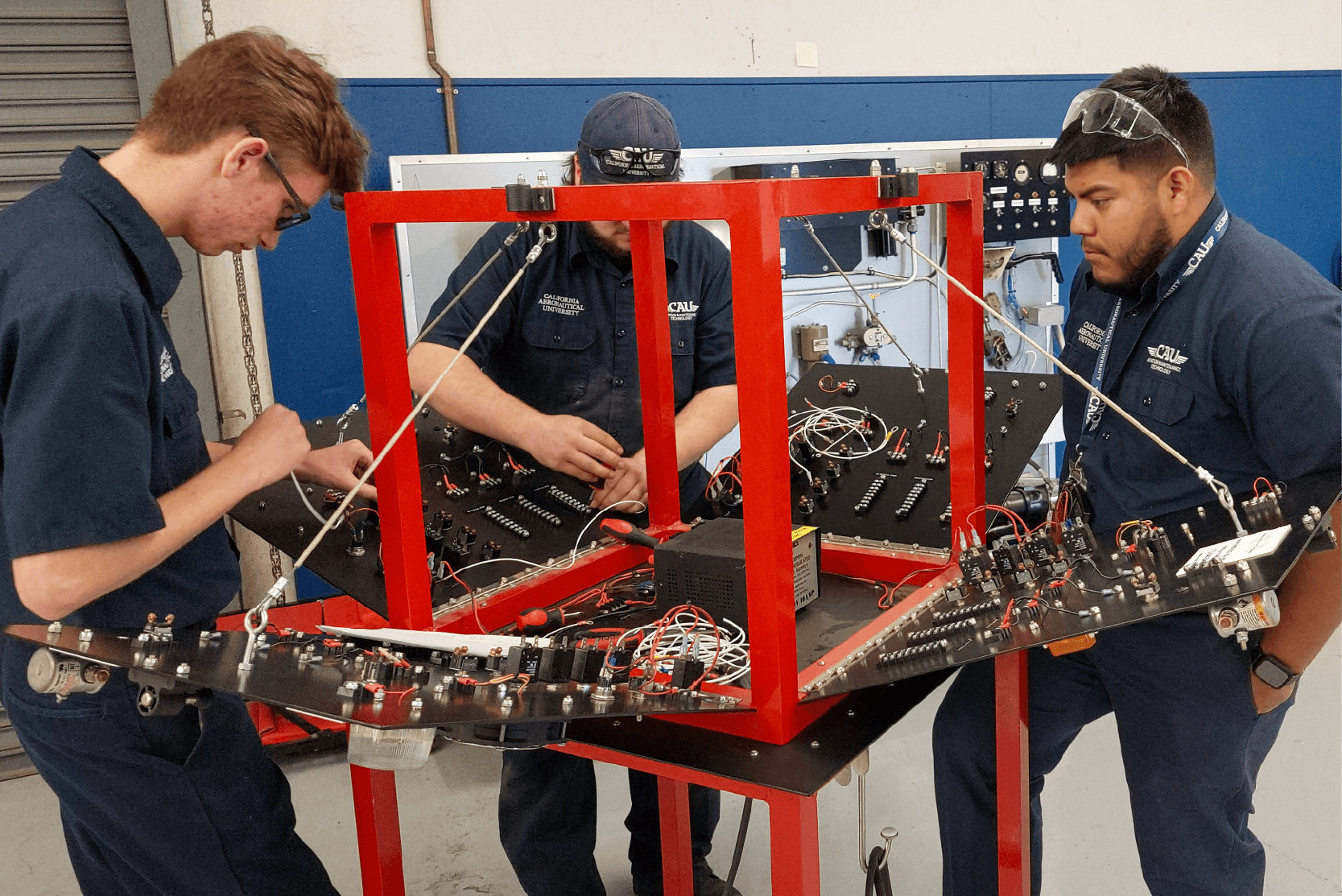
- Working with wiring, connectors, antennas, sensors, and circuit systems
- Using tools such as voltmeters, circuit testers, oscilloscopes, and diagnostic equipment
- Interpreting wiring diagrams and technical manuals
- Installing or updating avionics software
- Reading flight test data to identify system problems
- Maintaining records of repairs, inspections, and installations
- Ensuring work meets FAA, manufacturer, and employer standards
Avionics Technicians often work with systems such as radios, GPS, radar, transponders, autopilot systems, flight management systems, ADS-B equipment, navigation displays, weather radar, aircraft data buses, and cockpit instrumentation.
Because aircraft electronic systems are highly connected, Avionics Technicians must be strong troubleshooters. A problem may not always be located in the obvious component. For example, a faulty display may be caused by a wiring issue, software configuration, sensor problem, antenna failure, or power supply issue. Technicians need to work carefully and logically to diagnose the source of the problem.
Typical Certifications for Avionics Technicians
Unlike A&P mechanics, Avionics Technicians do not have one single required “avionics license” from the FAA. The FAA states that there is no avionics-specific FAA certification, although certified airframe mechanics may work on avionics equipment if they have the required training and tools.
Even so, many Avionics Technicians pursue certifications, licenses, or ratings that help demonstrate their skills and qualify them for specific jobs.
Common Avionics Certifications and Credentials
FAA Airframe Certificate
Many Avionics Technicians benefit from earning an FAA Airframe rating. According to the BLS, technicians with an airframe rating may repair and maintain many avionics and flight instrument systems, although they may also need other licenses or certifications depending on the work being performed.
FAA Airframe and Powerplant Certificate
Some Avionics Technicians also earn the full A&P certificate. While the Powerplant rating is more engine-focused, having both Airframe and Powerplant can make a technician more versatile and competitive, especially with airlines, repair stations, manufacturers, and corporate aviation employers.
FCC General Radiotelephone Operator License
Avionics Technicians who work on aircraft communication equipment may need a license issued by the Federal Communications Commission. The BLS specifically notes that Avionics Technicians who work on communications equipment may need an FCC license.
ASTM NCATT Aircraft Electronics Technician Certification
The ASTM NCATT Aircraft Electronics Technician, or AET, certification is one of the most recognized avionics-specific credentials. ASTM lists the Aircraft Electronics Technician Certification as part of the NCATT certification program. According to ASTM, the AET exam has 90 questions and a passing score of 73%.
ASTM NCATT AET Endorsements
After earning the AET certification, technicians may pursue additional endorsements. ASTM lists endorsements such as Aircraft Electronics Installation, Autonomous Navigation Systems, Dependent Navigation Systems, Onboard Communications and Safety Systems, and Radio Communication Systems. These endorsements allow technicians to demonstrate more specialized avionics knowledge.
Manufacturer-Specific Training
Avionics Technicians may also complete training through aircraft or avionics manufacturers. This can include training on systems from companies such as Garmin, Collins Aerospace, Honeywell, Boeing, Airbus, Gulfstream, Textron Aviation, Bombardier, or other aircraft and avionics manufacturers.
Other Helpful Certifications
Depending on the career path, Avionics Technicians may also pursue training in soldering, wiring, fiber optics, aircraft networking, SATCOM systems, cybersecurity, nondestructive testing, human factors, safety management systems, or quality assurance.
Avionics Technician Salary
Avionics Technician salaries vary based on experience, certification, location, employer, aircraft type, shift schedule, and specialization. Technicians who work for airlines, aerospace manufacturers, business aviation companies, or specialized avionics repair shops may earn more than entry-level technicians in smaller general aviation settings.
According to the U.S. Bureau of Labor Statistics Occupational Outlook Handbook, the median annual wage for Avionics Technicians was $81,390 in May 2024. The BLS also reported that the lowest 10 percent of Avionics Technicians earned less than $49,770, while the highest 10 percent earned more than $113,580.
The BLS also reported industry-specific salary differences for Avionics Technicians in May 2024. Avionics Technicians working in air transportation earned a median annual wage of $99,150. Those working in aerospace product and parts manufacturing earned $87,640, while those in professional, scientific, and technical services earned $83,360. Avionics Technicians working for the federal government earned $69,310, and those in support activities for air transportation earned $67,420.
These salary figures show that Avionics Technician careers can offer strong earning potential, especially for technicians who gain experience, earn respected credentials, specialize in advanced systems, or work in higher-paying aviation sectors.
Typical Employers
Avionics Technicians are employed across many areas of aviation and aerospace. Common employers include:
- Major airlines
- Regional airlines
- Cargo airlines
- Aircraft manufacturers
- Aerospace product and parts manufacturers
- Avionics repair shops
- FAA-certified repair stations
- Maintenance, repair, and overhaul facilities
- Corporate aviation departments
- Business jet operators
- Helicopter operators
- Military contractors
- Government agencies
- Defense aviation organizations
- Flight schools
- General aviation maintenance facilities
- UAS and drone companies
- Avionics equipment manufacturers
According to the BLS, Avionics Technicians held about 21,400 jobs in 2024. The largest employers were aerospace product and parts manufacturing, support activities for air transportation, professional, scientific, and technical services, air transportation, and the federal government.
Work Environment
Avionics Technicians often work in hangars, repair stations, manufacturing facilities, avionics shops, or on airfields. Some work in climate-controlled environments, while others may work around aircraft on ramps or in active maintenance areas.
The job may involve standing for long periods, working in tight spaces, reaching into aircraft panels, using hand tools, reading wiring diagrams, and carefully handling sensitive electronic equipment. Because aircraft often operate on tight schedules, Avionics Technicians may work evenings, nights, weekends, holidays, or rotating shifts.
Career Advancement
Avionics Technicians can advance in several directions. With experience, they may become lead avionics technicians, avionics installers, avionics supervisors, quality inspectors, maintenance controllers, field service technicians, technical support specialists, or avionics managers.
Some technicians specialize in advanced areas such as flight management systems, autopilot, aircraft networking, SATCOM, radar, electronic flight displays, aircraft data systems, or military avionics. Others move into aircraft manufacturing, systems integration, engineering support, quality assurance, or technical training.
A technician with avionics experience and an A&P certificate may have even more flexibility. This combination can support advancement into broader maintenance roles, inspection, leadership, or director-level maintenance positions. Technicians who enjoy teaching may eventually become avionics instructors or technical trainers.
The BLS projects that employment of aircraft and avionics equipment mechanics and technicians will grow 5 percent from 2024 to 2034, which is faster than the average for all occupations. For Avionics Technicians specifically, BLS projects 8 percent employment growth from 2024 to 2034.
Skills Needed to Succeed
Successful Avionics Technicians usually have strong technical and analytical skills. Important qualities include:
- Electronics knowledge
- Troubleshooting ability
- Attention to detail
- Comfort with wiring diagrams and technical manuals
- Computer and software familiarity
- Manual dexterity
- Documentation skills
- Safety awareness
- Communication skills
- Patience and persistence
- Ability to work under pressure
Because avionics systems continue to evolve, technicians must be willing to keep learning. The FAA notes that future avionics systems will require strong technical backgrounds in computer hardware, software, databases, integration, and networking. This makes avionics a good fit for students who are interested in both aviation and technology.
Is Avionics Technician a Good Career?
Avionics Technician can be a strong career for people who want a hands-on aviation job with a technology focus. The career offers the opportunity to work directly with aircraft while specializing in electronics, communication systems, navigation systems, and modern digital aircraft technology.
It can also be a strong path for students who enjoy troubleshooting, working with tools, reading diagrams, and solving complex technical problems. While the work can be demanding and may involve shift schedules, high accountability, and strict safety standards, it can also lead to stable employment, strong salary potential, and advancement into specialized or leadership roles.
For students exploring aviation maintenance careers, Avionics Technician is one of the most technology-focused paths in the field. As aircraft become more advanced, the need for skilled avionics professionals will continue to be an important part of aviation safety and performance.
Ready to soar in your aviation career?