Aviation Maintenance Technician (AMT) Career Guide: What They Do, Certifications, Salary, Employers, and Career Advancement
Aviation Maintenance Technicians, often called AMTs, are the skilled professionals responsible for keeping aircraft safe, reliable, and ready for flight. They inspect, maintain, troubleshoot, repair, and document work on aircraft systems, structures, engines, and components. While pilots may be the most visible professionals in aviation, AMTs are essential to every safe flight. Without trained maintenance technicians, aircraft could not legally or safely operate.
An Aviation Maintenance Technician may work on commercial airliners, cargo aircraft, business jets, helicopters, training aircraft, military aircraft, emergency medical aircraft, or unmanned aircraft systems. Some AMTs work broadly across many aircraft systems, while others specialize in engines, avionics, structures, inspections, composites, hydraulics, or quality assurance. For students who enjoy hands-on work, mechanical systems, aviation, problem-solving, and technical precision, becoming an AMT can lead to a stable and rewarding career.
What Is an Aviation Maintenance Technician?
An Aviation Maintenance Technician is a maintenance professional who works on aircraft and aircraft systems. AMTs diagnose mechanical or electrical problems, inspect aircraft parts, repair or replace defective components, test systems, and keep records of maintenance and repair work. The U.S. Bureau of Labor Statistics describes aircraft and avionics equipment mechanics and technicians as professionals who install, test, adjust, and repair equipment and systems in aircraft.
The title “Aviation Maintenance Technician” is often used interchangeably with aircraft mechanic, aircraft maintenance mechanic, A&P mechanic, or aircraft maintenance technician. However, AMT is a broad term that can include professionals working in general aircraft maintenance, airline maintenance, repair stations, manufacturing, avionics, inspection, or specialized repair roles.
Most AMTs work under strict regulations and technical standards. Aircraft maintenance is not guesswork. Technicians must follow maintenance manuals, service bulletins, FAA regulations, manufacturer instructions, inspection procedures, and employer safety policies. Their work must also be carefully documented because aircraft maintenance records are part of an aircraft’s legal and safety history.
Roles and Responsibilities
The responsibilities of an Aviation Maintenance Technician can vary by employer, aircraft type, certification level, and specialization. However, common AMT responsibilities include inspecting aircraft, diagnosing mechanical and electrical problems, repairing aircraft systems, replacing worn or damaged parts, and documenting all work performed.
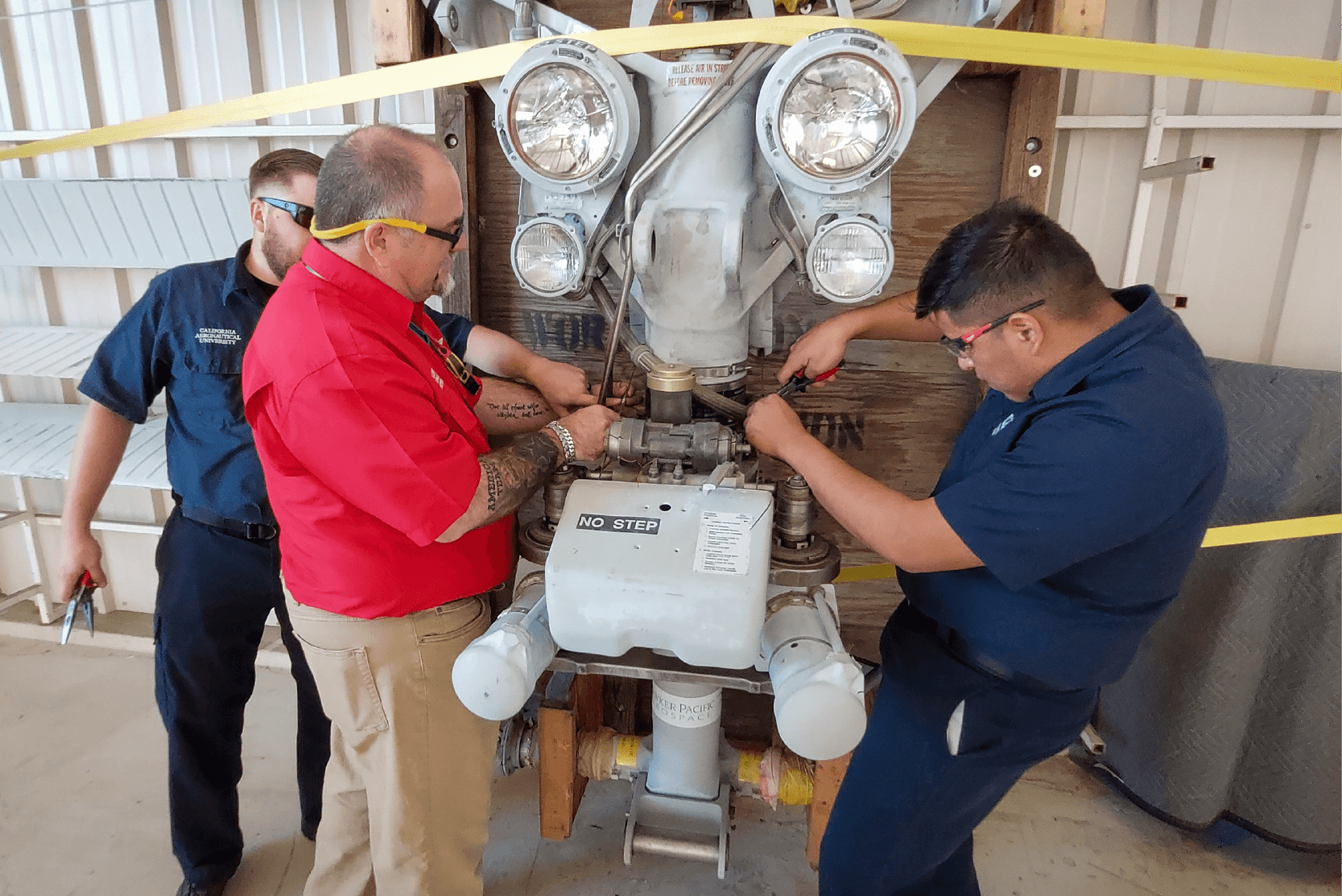
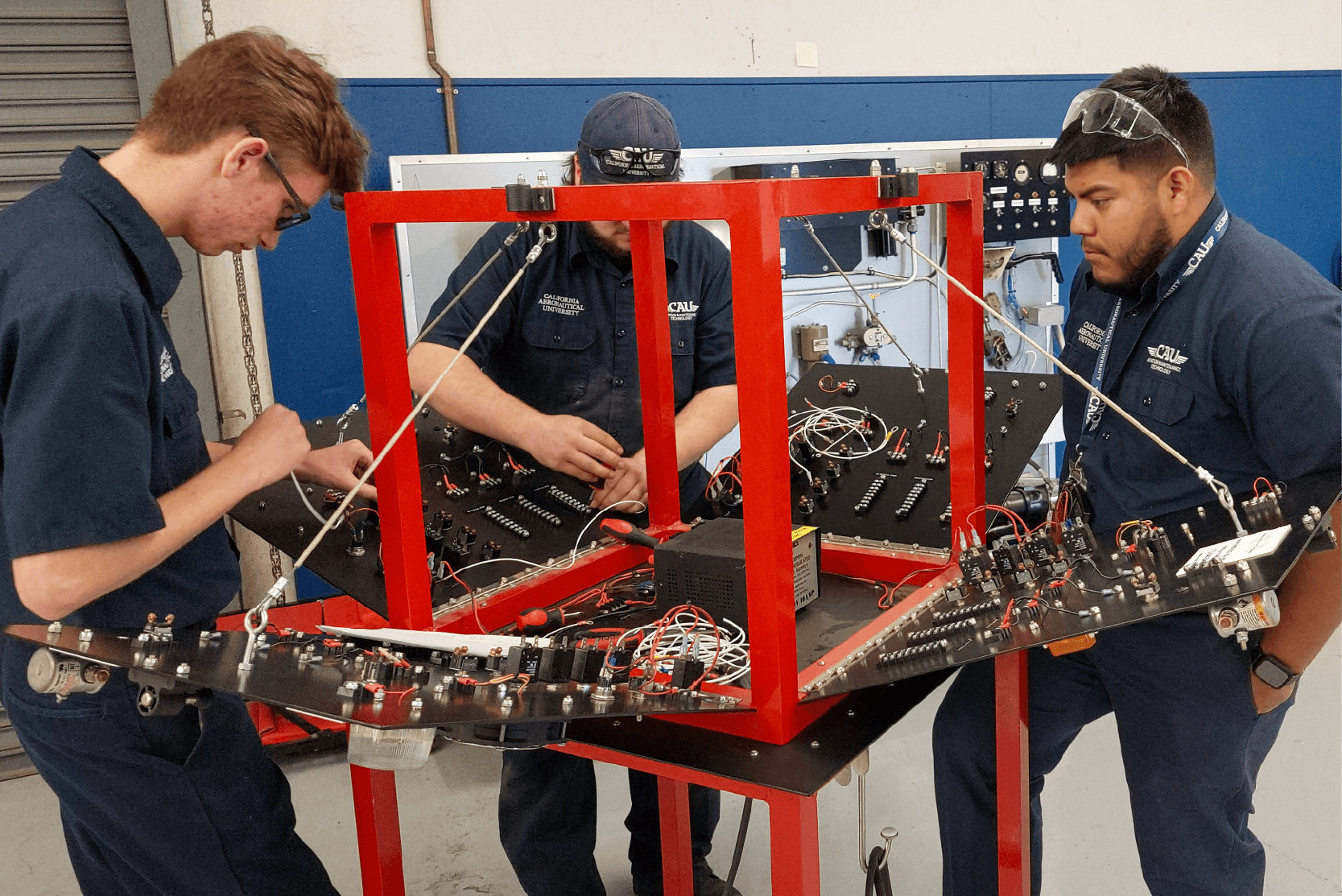
AMTs may work on aircraft engines, landing gear, brakes, hydraulic systems, fuel systems, flight controls, environmental systems, electrical wiring, avionics components, propellers, fuselage structures, and cabin systems. They may also conduct routine inspections, troubleshoot unexpected maintenance issues, and prepare aircraft to return to service.
According to O*NET, aircraft mechanics and service technicians diagnose, adjust, repair, or overhaul aircraft engines and assemblies, including hydraulic and pneumatic systems. This means AMTs need a strong understanding of how aircraft systems interact. A problem with one system may affect another, so technicians must be able to think critically and methodically.
Common duties include:
- Performing scheduled aircraft inspections
- Troubleshooting mechanical, hydraulic, pneumatic, fuel, and electrical issues
- Repairing or replacing aircraft components
- Testing systems with gauges, meters, and diagnostic tools
- Reading maintenance manuals and technical diagrams
- Inspecting parts for cracks, wear, corrosion, or defects
- Maintaining repair logs and maintenance records
- Ensuring work meets FAA and manufacturer standards
- Communicating with pilots, supervisors, inspectors, and other technicians
- Supporting safe and timely aircraft operations
AMTs must be detail-oriented because the work has a direct connection to flight safety. They also need physical stamina, tool knowledge, communication skills, and a strong sense of responsibility.
Typical Certifications for AMTs
The most important certification for many Aviation Maintenance Technicians in the United States is the FAA Aviation Mechanic Certificate with Airframe and/or Powerplant ratings. The FAA explains that aviation mechanic certification may include an Airframe rating, a Powerplant rating, or both. When a technician earns both ratings, the credential is commonly called an A&P certificate.
The Airframe rating focuses on the aircraft body and related systems. This may include wings, fuselage, landing gear, flight controls, brakes, hydraulic systems, and other structural or non-engine systems. The Powerplant rating focuses on aircraft engines and propulsion systems, including turbine engines, piston engines, propellers, fuel systems, and related components.
Many employers prefer or require AMTs to hold both the Airframe and Powerplant ratings because the combined A&P certificate allows a technician to work across a wider range of aircraft systems. According to the FAA, applicants must pass required knowledge, oral, and practical tests to earn the Aviation Mechanic certificate with Airframe and/or Powerplant ratings. The FAA also states that applicants may qualify through an FAA-certificated Aviation Maintenance Technician School, qualifying practical experience, or eligible military aviation maintenance experience.
Experienced A&P mechanics may also pursue Inspection Authorization, commonly called IA. IA is an advanced FAA authorization that allows eligible mechanics to perform certain inspections and approve major repairs or alterations. This credential can help AMTs advance into inspection, quality assurance, independent maintenance, or leadership roles.
Additional certifications and training may include avionics credentials, FCC radio-related credentials, nondestructive testing certifications, composite repair training, aircraft-specific manufacturer training, engine manufacturer training, safety management systems training, and human factors training.
Aviation Maintenance Technician Salary
Aviation Maintenance Technician salaries vary based on experience, certification, employer, location, aircraft type, shift schedule, union status, overtime, and specialization. AMTs who work for major airlines, cargo carriers, aerospace manufacturers, or specialized repair facilities may earn more than entry-level technicians in smaller general aviation shops.
According to the U.S. Bureau of Labor Statistics Occupational Outlook Handbook, aircraft mechanics and service technicians earned a median annual wage of $78,680 in May 2024. The BLS also reported that the lowest 10 percent earned less than $47,790, while the highest 10 percent earned more than $120,080. This wide salary range reflects the difference between entry-level roles, experienced technicians, specialized positions, airline roles, and leadership positions.
The BLS also reports that pay can vary significantly by industry. In May 2024, aircraft mechanics and service technicians working in air transportation had a median annual wage of $95,320. Those working in couriers and express delivery services earned a median annual wage of $89,220, while those in aerospace product and parts manufacturing earned a median annual wage of $82,560. These figures show that employer type can have a major effect on AMT earning potential.
For students considering aviation maintenance, the salary outlook is one of the strongest reasons to explore the field. While entry-level pay depends on the market and employer, AMTs can increase their earning potential through A&P certification, experience, overtime, shift differentials, aircraft-specific training, avionics knowledge, inspection credentials, and advancement into lead or management roles.
Typical Employers
Aviation Maintenance Technicians are needed anywhere aircraft are operated, repaired, manufactured, inspected, or supported. This creates a wide range of employment options across the aviation industry.
Common employers include:
- Major airlines
- Regional airlines
- Cargo airlines
- Maintenance, repair, and overhaul facilities
- FAA-certified repair stations
- Fixed-base operators
- Corporate flight departments
- Charter aviation companies
- Flight schools
- Aircraft manufacturers
- Aerospace parts manufacturers
- Helicopter operators
- Emergency medical aviation companies
- Government agencies
- Military contractors
- Defense aviation organizations
- General aviation maintenance shops
- UAS and drone companies
Airline AMTs may perform line maintenance, overnight checks, base maintenance, inspections, troubleshooting, and fleet support. Corporate aviation AMTs may maintain business jets for private owners or company flight departments. Manufacturing employers may hire AMTs for aircraft assembly, systems installation, production inspection, flight test support, or quality roles. Helicopter operators may need AMTs for emergency medical services, law enforcement, utility work, offshore operations, or tour operations.
Career Advancement
Aviation Maintenance Technician careers can grow in many directions. A new AMT may begin as an entry-level mechanic, apprentice, or technician working under supervision. With experience and certification, they may move into more independent maintenance roles, specialized technical areas, or leadership positions.
Common advancement paths include lead technician, crew chief, aircraft inspector, quality control inspector, maintenance controller, maintenance planner, maintenance supervisor, maintenance manager, chief inspector, and director of maintenance. AMTs with strong troubleshooting skills may also move into technical support, field service, reliability analysis, or manufacturer support roles.
Specialization is another major advancement route. AMTs may focus on avionics, turbine engines, composites, structures, nondestructive testing, helicopters, business jets, or specific aircraft models. Specialized training can make a technician more competitive and may open doors to higher-paying roles.
Some AMTs eventually become instructors at aviation maintenance schools, FAA Designated Mechanic Examiners, or FAA aviation safety inspectors. Others use their maintenance experience to move into aviation operations, safety, quality assurance, compliance, or technical writing.
Skills Needed to Succeed as an AMT
Successful AMTs usually combine mechanical ability with precision, patience, and strong technical judgment. Important skills include mechanical aptitude, attention to detail, troubleshooting ability, tool proficiency, reading comprehension, documentation skills, teamwork, and safety awareness.
Because aircraft technology continues to evolve, AMTs also need to keep learning. Modern aircraft may include advanced avionics, digital diagnostics, composite materials, fly-by-wire systems, turbine engine technology, and complex inspection requirements. The best AMTs are lifelong learners who stay current with new aircraft systems, regulations, and repair methods.
Is Aviation Maintenance Technician a Good Career?
Aviation Maintenance Technician can be a strong career for people who want hands-on technical work in the aviation industry. It offers meaningful responsibility, clear certification pathways, strong salary potential, and opportunities to work in many aviation sectors. AMTs are essential to flight safety, and their skills are needed by airlines, manufacturers, repair stations, flight schools, government agencies, and private aviation companies.
The career can be demanding. AMTs may work nights, weekends, holidays, or rotating shifts. The job can involve physical labor, tight spaces, outdoor conditions, and high accountability. However, for people who enjoy solving technical problems and working directly with aircraft, aviation maintenance can be both practical and rewarding.
For students exploring aviation careers, becoming an Aviation Maintenance Technician is one of the most direct ways to enter the industry. With the right training, FAA certification, and hands-on experience, AMTs can build long-term careers in maintenance, inspection, management, manufacturing, technical support, education, or aviation safety.
Ready to soar in your aviation career?