What Does a Disaster Relief Pilot Do?
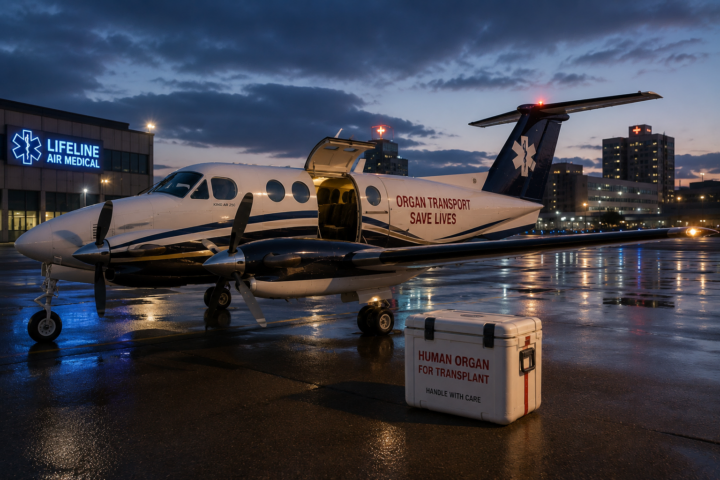
Disaster relief pilots provide aviation support during emergencies such as hurricanes, floods, earthquakes, wildfires, and humanitarian crises.
These pilots transport:
- Medical teams
- Emergency supplies
- Patients
- Rescue personnel
- Food and water
- Disaster response equipment
Disaster relief pilots are essential during emergencies when roads, bridges, and traditional transportation systems become unusable.
Roles and Responsibilities
Disaster relief pilots may:
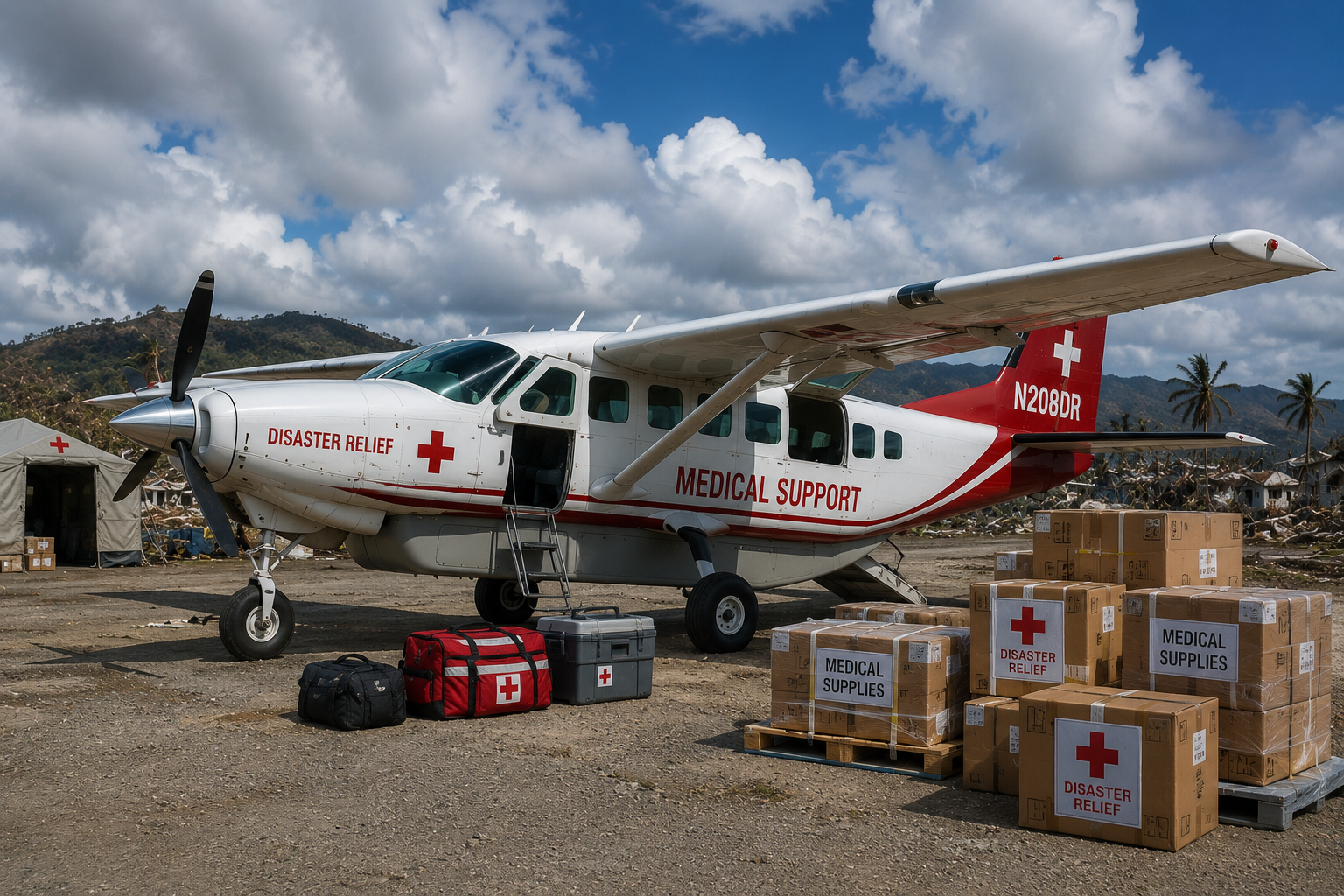
- Deliver medical supplies to disaster zones
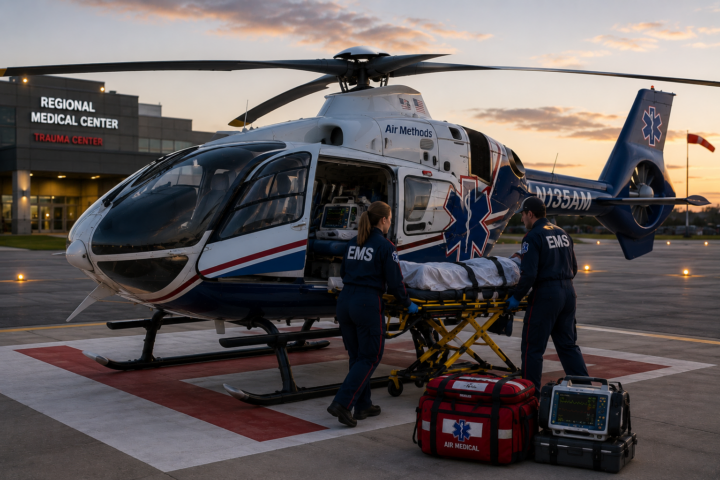
- Evacuate injured patients
- Support search-and-rescue missions
- Coordinate with FEMA and emergency agencies
- Transport emergency personnel
- Conduct aerial reconnaissance missions
- Operate in rapidly changing conditions
- Maintain aircraft readiness for emergency deployment
These missions often involve intense operational pressure.
Types of Aircraft Used
Disaster relief aviation uses:
- Helicopters
- Cargo aircraft
- Turboprop airplanes
- Utility aircraft
- Amphibious aircraft in flood zones
Common aircraft include:
- UH-60 Black Hawk helicopters
- Bell helicopters
- Cessna Caravan aircraft
- Pilatus PC-12 aircraft
- De Havilland Twin Otter aircraft
Salary Expectations
Disaster relief pilot salaries depend on the employer and mission type.
Pilots working for government agencies, contractors, or large aviation operators may earn salaries similar to other commercial aviation professionals.
Estimated ranges:
- Entry-level utility aviation: $50,000–$80,000
- Experienced disaster response pilots: $90,000–$150,000+
Specialized rescue or government contract pilots may earn even more.
Education and Training
Students interested in disaster relief aviation should pursue:
- Commercial Pilot training
- Instrument flight proficiency
- Advanced operational experience
- Emergency operations training
Additional useful experience may include:
- Military aviation
- Search-and-rescue operations
- Helicopter external load operations
- Humanitarian logistics
Skills Needed
Disaster relief pilots need:
- Leadership
- Quick decision-making
- Stress management
- Adaptability
- Communication skills
- Team coordination
- Risk management abilities
These pilots often work alongside:
- FEMA teams
- Medical responders
- National Guard units
- Humanitarian organizations
- Emergency management agencies
Major Employers and Organizations
Potential employers include:
- FEMA contractors
- Government agencies
- National Guard aviation units
- Humanitarian aviation organizations
- Emergency response companies
- Nonprofit disaster relief organizations
Organizations involved in aviation disaster support include:
- FEMA
- American Red Cross aviation partners
- Samaritan’s Purse
- Civil Air Patrol
- Air Care Alliance
Why This Career Matters
Disaster relief pilots provide critical support during some of the world’s most dangerous and chaotic situations.
They help:
- Deliver emergency healthcare
- Save stranded victims
- Restore supply chains
- Support rescue operations
- Protect communities during crises
Career Benefits
Benefits include:
- Purpose-driven work
- Exciting missions
- Diverse flying experience
- Strong teamwork
- Opportunity to help people during emergencies
Challenges
Challenges may include:
- Dangerous environments
- Long deployments
- Fatigue
- Emotional stress
- Unpredictable schedules
Despite the difficulty, many pilots describe disaster relief flying as one of the most rewarding careers in aviation.
FAQs
Do disaster relief pilots only work during emergencies?
Some pilots work full-time in emergency operations while others are activated during major disasters.
Is military experience helpful?
Yes. Many disaster relief pilots have military or rescue aviation backgrounds.
Can fixed-wing pilots work in disaster relief?
Absolutely. Both helicopters and airplanes are heavily used during disaster response operations.
Ready to soar in your aviation career?