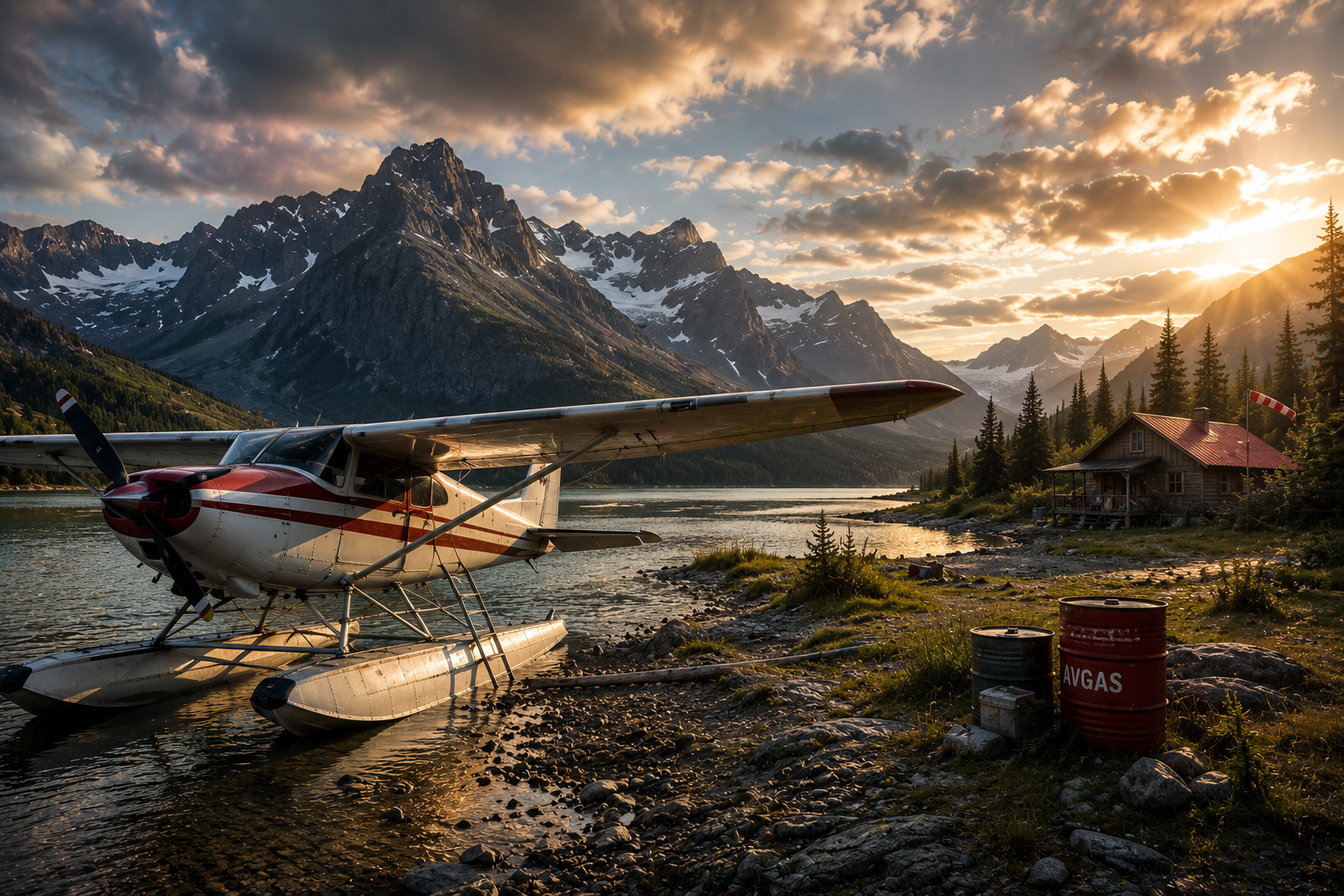
What Is a Bush Pilot?
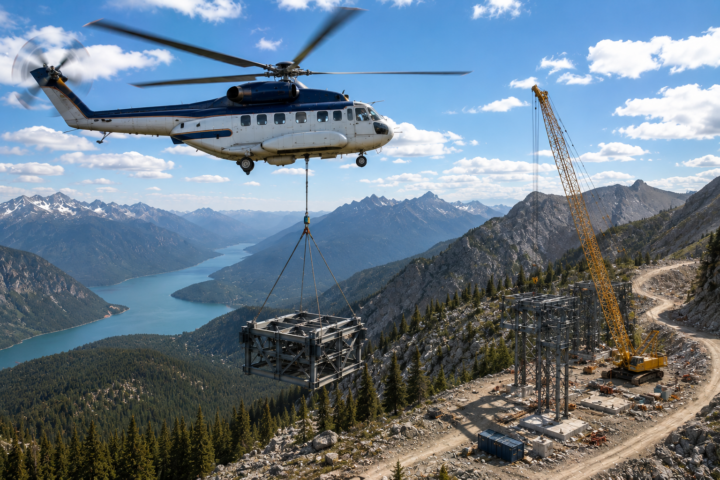
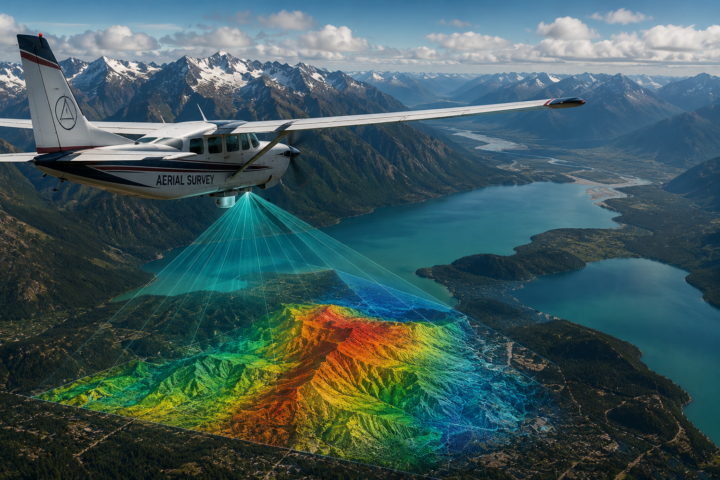
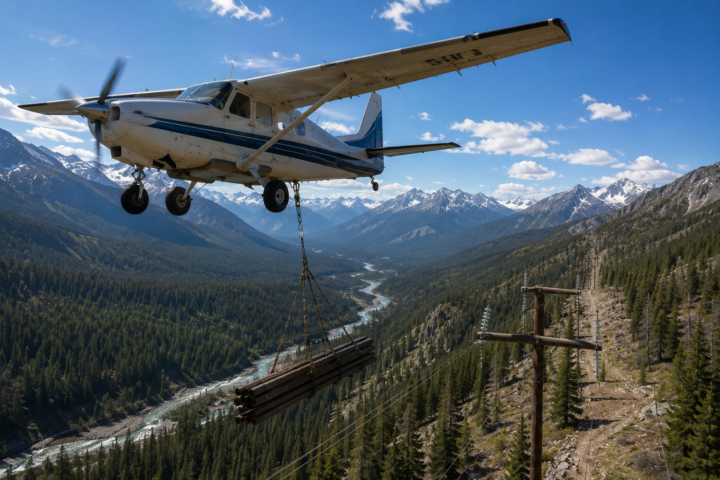
Bush pilots operate aircraft in remote and rugged environments where traditional transportation infrastructure may not exist.
Bush aviation is essential in locations such as:
- Alaska
- Northern Canada
- Africa
- Australia
- Remote islands
Bush pilots deliver:
- Food and supplies
- Medical support
- Passengers
- Emergency transportation
Roles and Responsibilities
Bush pilots:
- Fly into short or unpaved runways
- Navigate mountainous or remote terrain
- Operate in changing weather conditions
- Transport people and cargo
- Support remote communities
Work Environment
Bush pilots may operate:
- Floatplanes
- Tailwheel aircraft
- Ski-equipped aircraft
- STOL (Short Takeoff and Landing) aircraft
Common aircraft include:
- De Havilland Beaver
- Cessna 185
- Pilatus PC-12
- Kodiak 100
Expected Salary
Estimated salary ranges:
- Entry-level bush pilot: $40,000–$70,000
- Experienced bush pilot: $80,000–$150,000+
Salary Sources:
- Industry aviation hiring data
- U.S. Bureau of Labor Statistics
Education and Training
Most bush pilots need:
- Commercial Pilot License
- Tailwheel experience
- Mountain flying training
- Floatplane ratings (often)
- STOL operational experience
Notable Employers
- Regional air services
- Wilderness tourism companies
- Remote logistics operators
- Medical aviation operators
Notable People
- Don Sheldon — legendary Alaskan bush pilot
Why Students Choose This Career
Students are often attracted to:
- Adventure flying
- Outdoor environments
- Remote operations
- Unique aircraft
- Independence
FAQs
What is bush flying?
Bush flying involves operating aircraft in remote areas with limited infrastructure.
Do bush pilots land on water?
Some do using floatplanes.
Is bush flying challenging?
Yes. It requires excellent flying skills and decision-making.
Ready to soar in your aviation career?