What Is a Commercial Airline Pilot?
Commercial airline pilots transport passengers safely between destinations using scheduled airline services. Airline pilots are some of the most visible professionals in aviation and play a critical role in global transportation.
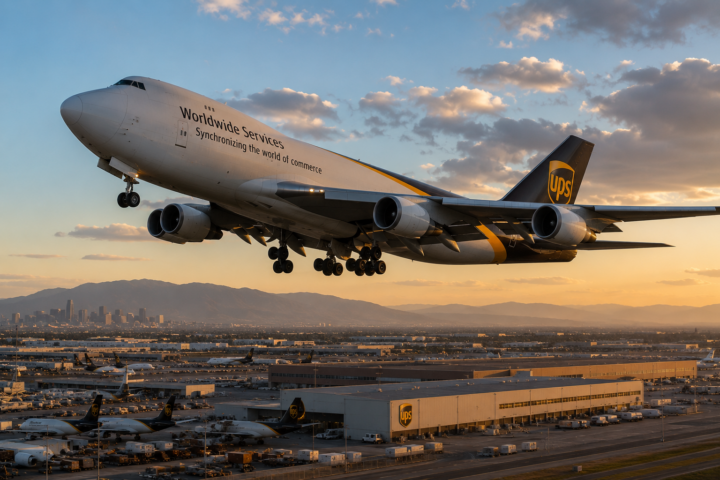
These pilots operate everything from regional jets to large international airliners carrying hundreds of passengers.
Roles and Responsibilities
Commercial airline pilots are responsible for:
- Flying passengers safely and efficiently
- Conducting pre-flight inspections
- Reviewing flight plans and weather
- Communicating with air traffic control
- Monitoring navigation and aircraft systems
- Managing emergency situations if necessary
- Ensuring passenger safety and comfort
- Working closely with cabin crew and dispatch teams
Work Environment
Airline pilots may fly:
- Domestic routes
- International routes
- Regional commuter routes
- Long-haul overseas flights
Pilots often work variable schedules including weekends, holidays, and overnight flights.
Aircraft commonly flown include:
- Boeing 737
- Airbus A320 family
- Boeing 777
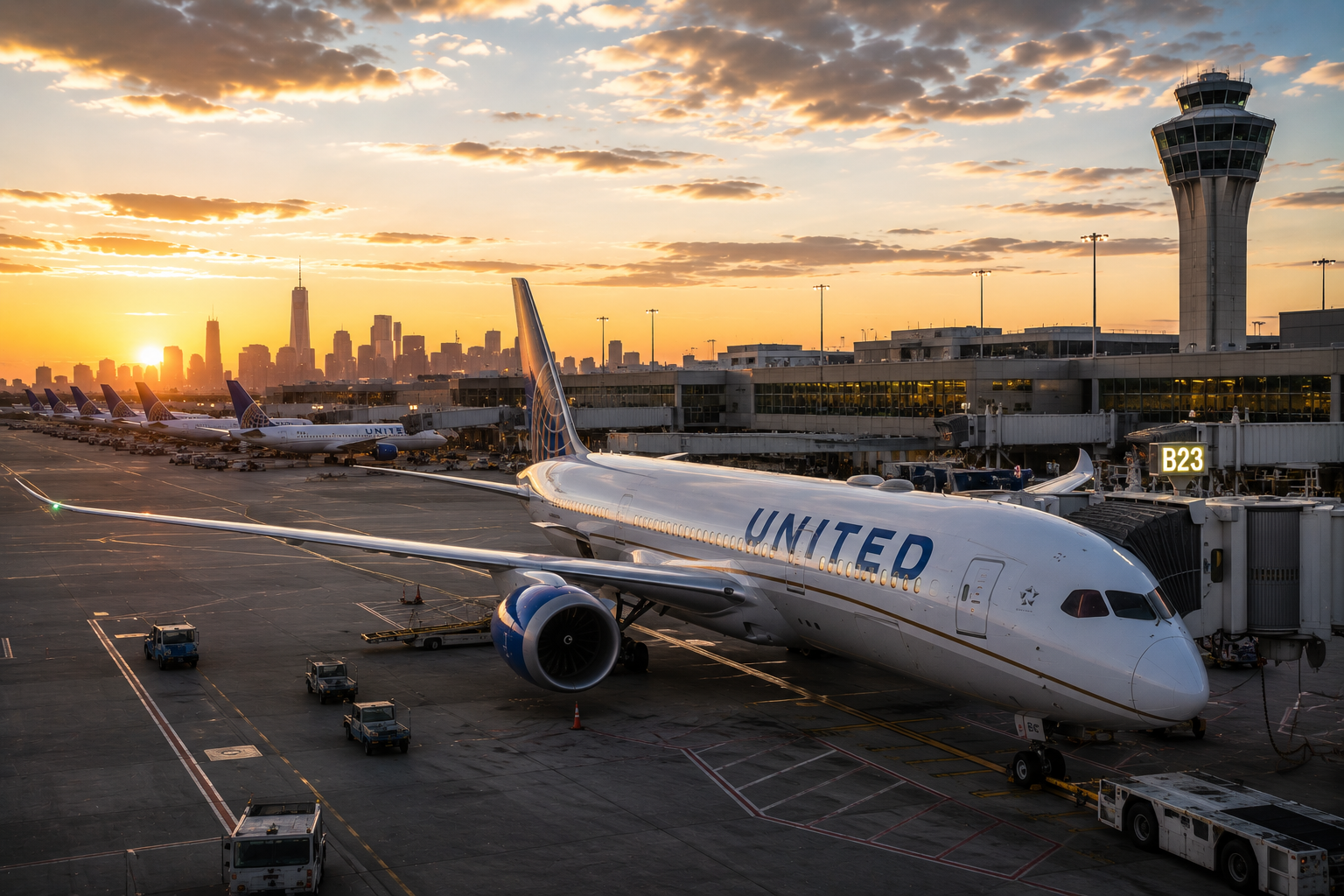
- Boeing 787 Dreamliner
- Embraer regional jets
- Airbus A350
Expected Salary
Airline pilot salaries vary significantly depending on seniority and airline.
Estimated salary ranges:
- Regional airline first officer: $90,000–$150,000
- Major airline first officer: $150,000–$300,000
- Major airline captain: $250,000–$500,000+
Salary Sources:
- U.S. Bureau of Labor Statistics: https://www.bls.gov/ooh/transportation-and-material-moving/airline-and-commercial-pilots.htm U.S. Bureau of Labor Statistics:
- Air Line Pilots Association: https://www.alpa.org/ Air Line Pilots Association: https://www.alpa.org/
Education and Training
Most airline pilots complete:
- Private Pilot License
- Instrument Rating
- Commercial Pilot License
- Multi-Engine Rating
- Certified Flight Instructor certification (often)
- Airline Transport Pilot certificate
FAA regulations require airline pilots to accumulate significant flight hours before airline employment.
Many students attend:
- Aviation universities
- Flight academies
- Collegiate aviation programs
Notable Employers
Major employers include:
- United Airlines
- Delta Air Lines
- American Airlines
- Southwest Airlines
- Alaska Airlines
- JetBlue
- SkyWest Airlines
- Republic Airways
Notable People
- Chesley “Sully” Sullenberger
- Amelia Earhart
- Bessie Coleman
- Tammie Jo Shults
Why Students Choose This Career
Students are often attracted to:
- Travel opportunities
- High salaries
- Advanced aircraft technology
- Airline lifestyle
- Global career options
- Professional prestige
FAQs
How long does it take to become an airline pilot?
Typically 2–5 years depending on training pace and flight hour accumulation.
Do airline pilots need a degree?
Some airlines prefer degrees, but many no longer require them.
Are airline pilots in demand?
Yes. Pilot shortages and retirements continue increasing demand.
Can airline pilots fly internationally?
Yes. Major airlines operate flights all over the world.
Ready to soar in your aviation career?