What Does an Air Ambulance Pilot Do?
Air ambulance pilots are highly trained aviation professionals who transport critically ill or injured patients by helicopter or airplane to hospitals, trauma centers, and specialized medical facilities. These pilots operate in high-pressure environments where time, safety, and precision matter every second. Unlike traditional commercial airline pilots who transport passengers on scheduled routes, air ambulance pilots often fly emergency missions with little notice and must be prepared for rapidly changing weather, nighttime operations, and difficult landing environments.
Air ambulance pilots are a critical part of the healthcare system. In many emergencies, patients in rural areas or accident scenes cannot reach advanced medical care quickly enough by ground ambulance. Air ambulance pilots help bridge that gap by transporting medical teams and patients faster than traditional transportation methods.
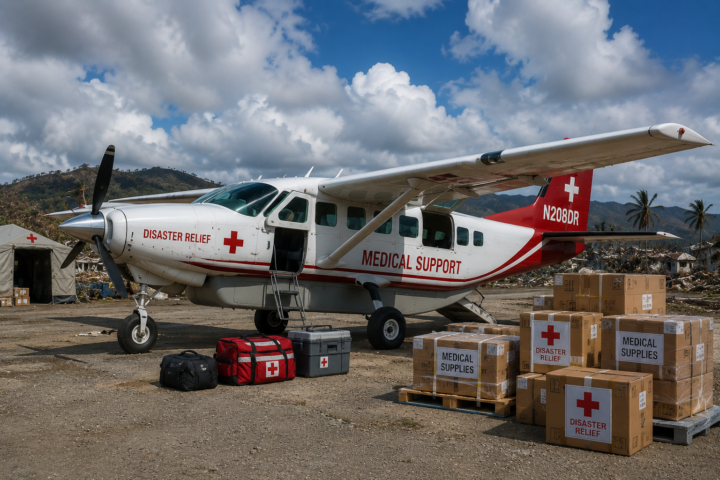
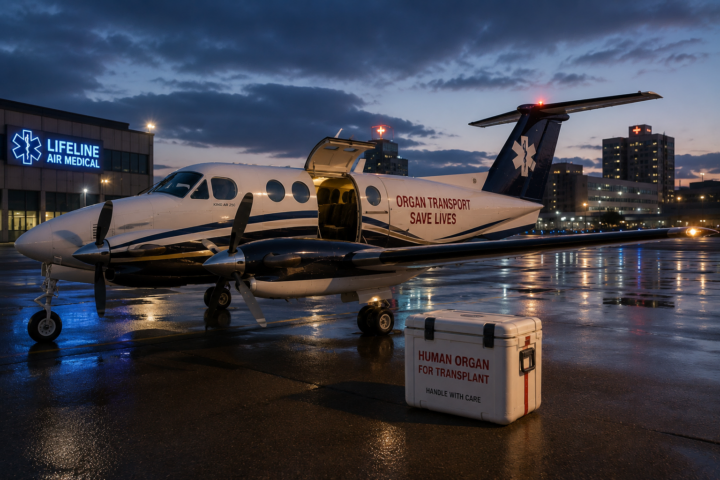
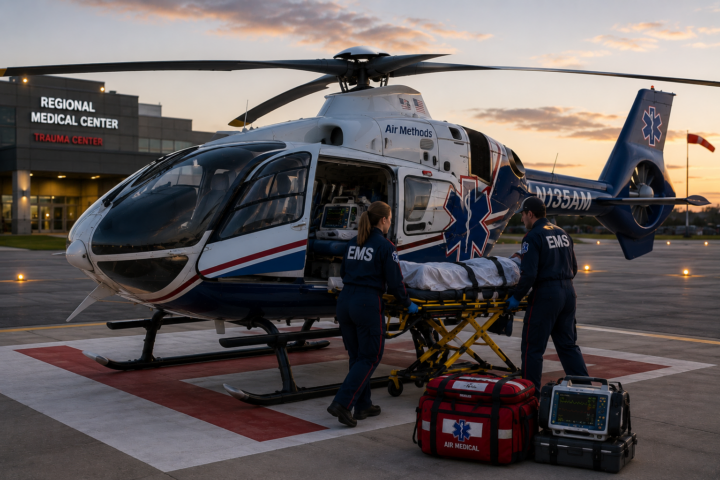
These pilots may operate helicopters for short-distance emergency response missions or fixed-wing aircraft for long-distance patient transfers between hospitals.
Roles and Responsibilities
An air ambulance pilot’s responsibilities go far beyond simply flying the aircraft. Their duties include:
- Conducting pre-flight inspections and safety checks
- Monitoring weather conditions and flight planning
- Coordinating with medical crews, hospitals, and dispatch teams
- Safely transporting patients and medical personnel
- Flying in challenging weather and nighttime conditions
- Managing emergency procedures when necessary
- Maintaining communication with air traffic control and healthcare facilities
- Following strict FAA and healthcare transport regulations
- Ensuring aircraft readiness for rapid deployment
Many air ambulance pilots are on-call and must be prepared to launch missions quickly, sometimes within minutes.
What Aircraft Do Air Ambulance Pilots Fly?
Air ambulance pilots commonly fly:
Helicopters
- Airbus H125
- Airbus H135
- Bell 407
- Bell 429
- Leonardo AW119
Fixed-Wing Aircraft
- Pilatus PC-12
- Beechcraft King Air series
- Learjet aircraft
- Citation jets
- Piper Cheyenne aircraft
Helicopters are often used for accident scenes and short regional transfers, while fixed-wing aircraft handle long-distance medical transportation.
Why This Career Matters
Few aviation careers have as much direct impact on saving lives as air ambulance flying. Air ambulance pilots help trauma patients, premature infants, organ transplant recipients, and critically ill individuals receive emergency treatment faster.
Every mission can make the difference between life and death.
For students interested in both aviation and healthcare, this career offers a unique opportunity to combine flying with meaningful public service.
Salary Expectations
Air ambulance pilot salaries vary based on experience, aircraft type, certifications, and whether the pilot flies helicopters or fixed-wing aircraft.
According to the U.S. Bureau of Labor Statistics, the median annual wage for commercial pilots was approximately $122,670 in 2024. Helicopter-specific salary reports commonly place experienced helicopter pilots in the $90,000–$140,000 range depending on mission type and flight experience.
Sources:
- U.S. Bureau of Labor Statistics Occupational Outlook Handbook
- Salary.com Helicopter Pilot Salary Data
- ZipRecruiter Helicopter Pilot Salary Reports
Entry-level helicopter pilots may earn between $50,000–$80,000 while building experience. Experienced EMS and medical transport captains can earn significantly more.
Education and Training Requirements
High school students interested in becoming air ambulance pilots should focus on:
- Math
- Physics
- Aviation programs
- STEM courses
- Leadership activities
Most air ambulance pilots follow this path:
Step 1: Earn a High School Diploma
A strong academic background helps prepare students for aviation training.
Step 2: Attend Flight School or Aviation University
Students typically pursue:
- Private Pilot Certificate
- Instrument Rating
- Commercial Pilot Certificate
- Certified Flight Instructor (CFI) ratings
Helicopter pilots pursue rotorcraft ratings while fixed-wing pilots train on airplanes.
Step 3: Build Flight Hours
Most air ambulance operators require:
- 1,500–3,000 total flight hours
- Night flight experience
- Instrument flight experience
- Turbine aircraft experience
Step 4: Gain Professional Experience
Many pilots build hours by:
- Flight instructing
- Flying tours
- Utility aviation work
- Offshore operations
- Regional aviation jobs
Step 5: Obtain EMS or Air Ambulance Position
Medical transport companies often require advanced operational experience because missions are high-risk and safety-sensitive.
Important Skills for Success
Air ambulance pilots need:
- Excellent decision-making abilities
- Calmness under pressure
- Strong communication skills
- Situational awareness
- Teamwork
- Discipline
- Attention to detail
- Advanced instrument flying abilities
- Adaptability
Pilots must work closely with nurses, paramedics, doctors, and dispatch personnel.
Work Environment
Air ambulance pilots often work:
- 12-hour shifts
- Overnight schedules
- On-call rotations
- Weekends and holidays
The career can be physically and mentally demanding. Pilots may respond to:
- Car accidents
- Trauma scenes
- Heart attack emergencies
- Neonatal patient transfers
- Organ transplant missions
- Rural medical evacuations
Despite the challenges, many pilots describe the career as extremely rewarding.
Major Employers
Notable air ambulance and medical transport employers include:
- Air Methods
- Med-Trans Corporation
- PHI Air Medical
- REACH Air Medical Services
- Guardian Flight
- Metro Aviation
- Life Flight Network
- Mayo Clinic Air Ambulance
- Duke Life Flight
Hospitals, healthcare systems, and government agencies also employ air ambulance pilots.
Notable People in Medical Aviation
While medical aviation pilots are not typically celebrities, many military rescue pilots and humanitarian aviators have become respected figures in aviation history. Organizations like Helicopter Association International frequently recognize pilots for heroic rescues and exceptional service.
Challenges of the Career
Air ambulance flying is exciting, but it comes with challenges:
- Difficult weather conditions
- High-pressure missions
- Night flying
- Long shifts
- Emotional stress from medical emergencies
- Extensive training requirements
Safety is always the top priority.
Why High School Students Should Consider This Career
This career is ideal for students who:
- Want to help people directly
- Love aviation
- Thrive in fast-paced environments
- Enjoy teamwork
- Want meaningful work
- Are interested in healthcare missions
Students can begin preparing early by:
- Visiting local airports
- Taking discovery flights
- Joining aviation clubs
- Learning about helicopters and medical aviation
- Exploring STEM programs
Frequently Asked Questions
Do air ambulance pilots need a college degree?
A degree is not always required, but many employers prefer pilots with aviation or related degrees.
Is this career dangerous?
Medical aviation can involve challenging conditions, but strict safety procedures and advanced training help reduce risks.
How long does it take to become an air ambulance pilot?
Most pilots spend several years building flight experience before qualifying for EMS operations.
Do air ambulance pilots fly helicopters or airplanes?
Both. Some pilots specialize in helicopters while others fly fixed-wing aircraft.
Can women become air ambulance pilots?
Absolutely. Aviation careers are open to everyone, and more women are entering professional aviation each year.
Ready to soar in your aviation career?