What Is an EMS Pilot?
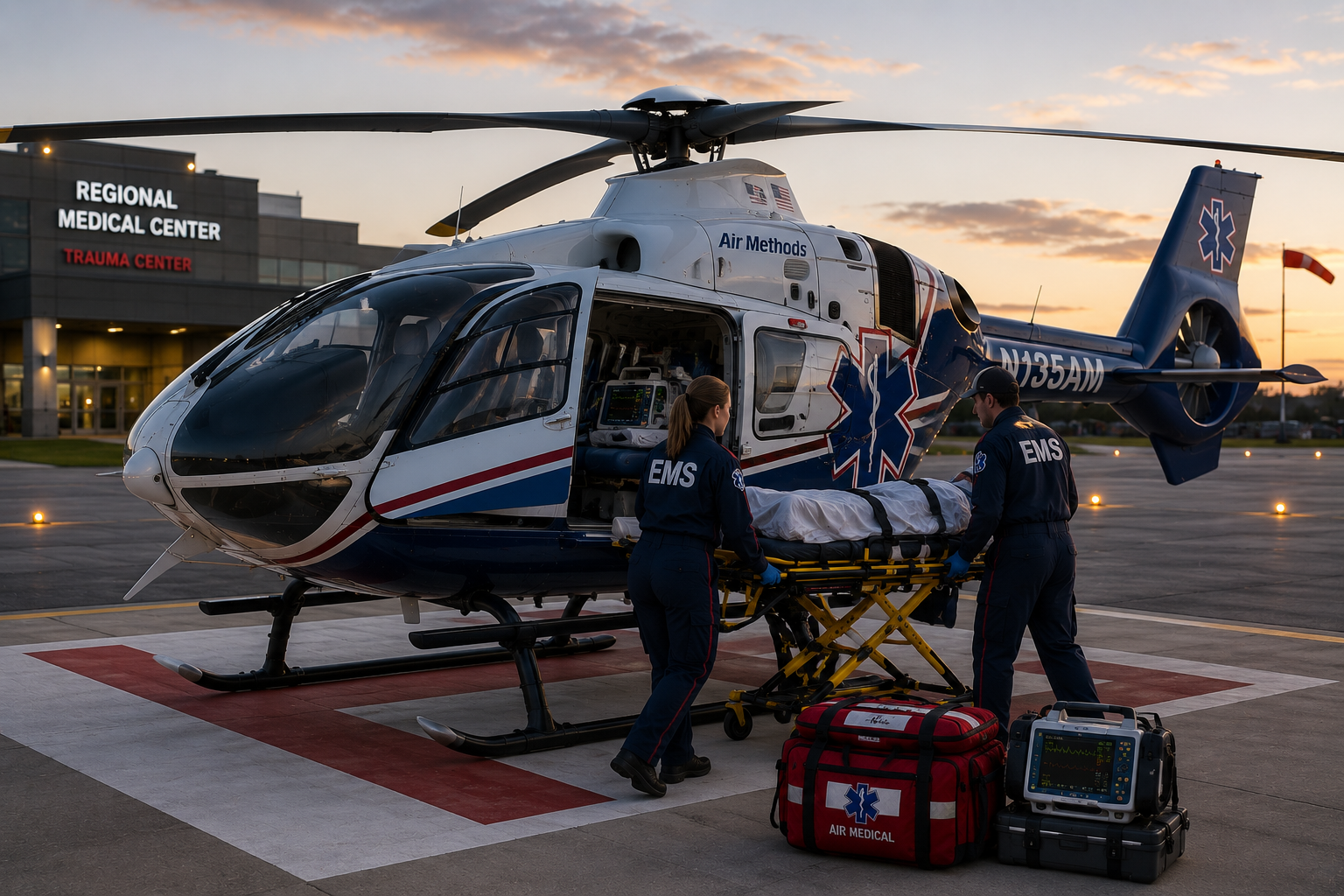
Emergency Medical Services (EMS) pilots specialize in flying helicopters or aircraft that support emergency medical response operations. EMS pilots are closely connected to air ambulance operations, but their role specifically focuses on emergency scene response, trauma transport, and rapid medical evacuation.
These pilots often fly directly to accident scenes, highways, remote locations, or hospitals to transport patients and medical teams.
EMS pilots are trusted to safely operate aircraft in highly dynamic situations where timing and judgment are critical.
Roles and Responsibilities
EMS pilots are responsible for:
- Flying emergency medical missions
- Landing in nontraditional landing zones
- Conducting weather assessments
- Coordinating with emergency responders
- Monitoring aircraft systems
- Managing flight safety procedures
- Supporting rapid trauma response
- Maintaining operational readiness
- Navigating under instrument flight rules (IFR)
- Ensuring compliance with FAA regulations
Unlike airline pilots who operate on schedules, EMS pilots must adapt to constantly changing mission demands.
Typical EMS Missions
EMS pilots may respond to:
- Vehicle accidents
- Mountain rescues
- Stroke emergencies
- Cardiac emergencies
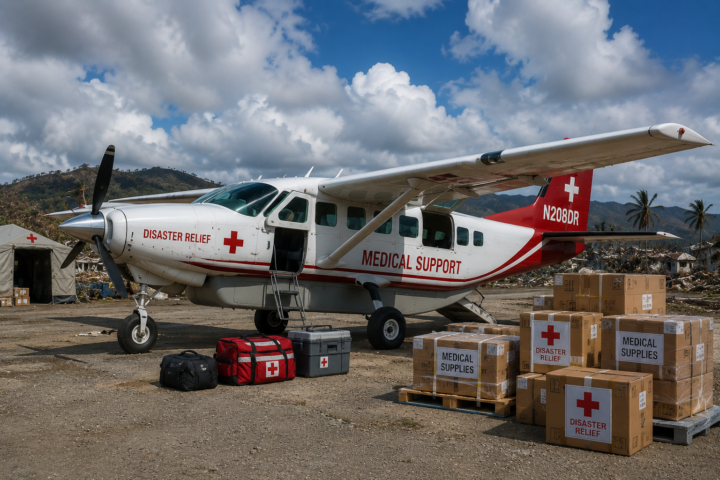
- Natural disasters
- Rural medical evacuations
- Pediatric emergencies
- Critical care transfers
Some missions require landing on highways, fields, rooftops, or temporary landing zones.
Salary Expectations
EMS pilots generally earn competitive salaries due to the experience and operational skill required.
According to commercial pilot wage data from the U.S. Bureau of Labor Statistics, commercial pilots earned a median salary above $122,000 in 2024. Experienced EMS helicopter pilots commonly earn between $90,000 and $150,000 depending on location, aircraft type, and experience level.
Additional compensation may include:
- Overtime
- Shift differentials
- Housing assistance in remote regions
- Sign-on bonuses
- Retirement benefits
Education and Flight Training
Most EMS pilots follow a helicopter aviation pathway.
Common Flight Certifications Include:
- Private Pilot Certificate (Rotorcraft)
- Instrument Rating
- Commercial Pilot Certificate
- Certified Flight Instructor (CFI)
- Airline Transport Pilot (ATP) certificate in some cases
Most employers require:
- 2,000+ total flight hours
- Night flying experience
- Turbine helicopter experience
- Instrument proficiency
- Cross-country flight time
Skills Needed
Successful EMS pilots need:
- Strong situational awareness
- Excellent communication
- Leadership
- Emotional control
- Risk assessment abilities
- Strong aviation knowledge
- Crew coordination skills
Pilots work closely with:
- Flight nurses
- Paramedics
- Dispatchers
- Air traffic controllers
- Emergency responders
Work Environment
EMS pilots often work from hospital helipads or regional bases.
Schedules may include:
- 7 days on / 7 days off
- Overnight shifts
- 24-hour standby operations
- Rotating schedules
Pilots must be prepared for sudden mission launches at any hour.
Major EMS Aviation Employers
Major employers include:
- Air Methods
- Metro Aviation
- PHI Air Medical
- Med-Trans Corporation
- Guardian Flight
- Air Evac Lifeteam
- REACH Air Medical Services
Some hospitals operate their own flight programs.
Career Advancement
EMS pilots can advance into:
- Chief pilot positions
- Training captain roles
- Safety management positions
- Aviation operations leadership
- Corporate aviation careers
- Airline careers
Many EMS pilots eventually move into management or advanced operational leadership roles.
Why Students Choose EMS Aviation
Students interested in excitement, purpose, and public service are often drawn to EMS flying.
Benefits include:
- Meaningful work
- Fast-paced operations
- Team-oriented missions
- Advanced flying experience
- Helping communities
FAQs
Do EMS pilots only fly helicopters?
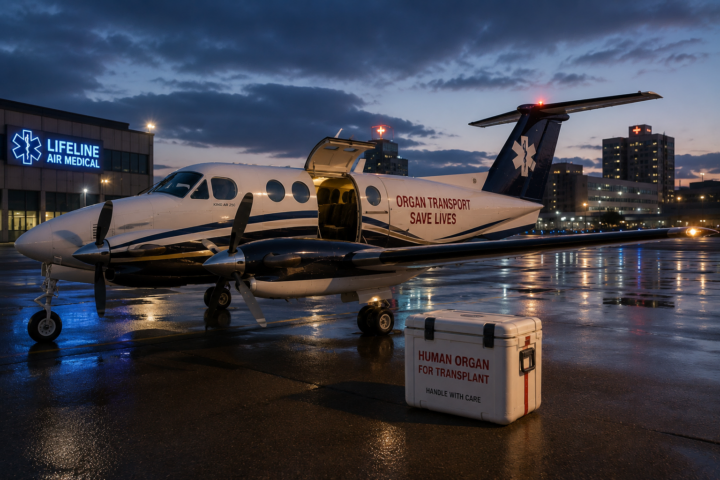
Mostly, although some EMS operations use fixed-wing aircraft.
How difficult is EMS flying?
EMS operations are considered one of the more advanced professional aviation environments.
Can high school students start preparing now?
Yes. Students can begin by researching aviation schools, STEM programs, and discovery flights.
Is EMS aviation growing?
Yes. Many regions continue expanding emergency medical transport services.
Ready to soar in your aviation career?