What Is a Medical Outreach Pilot?
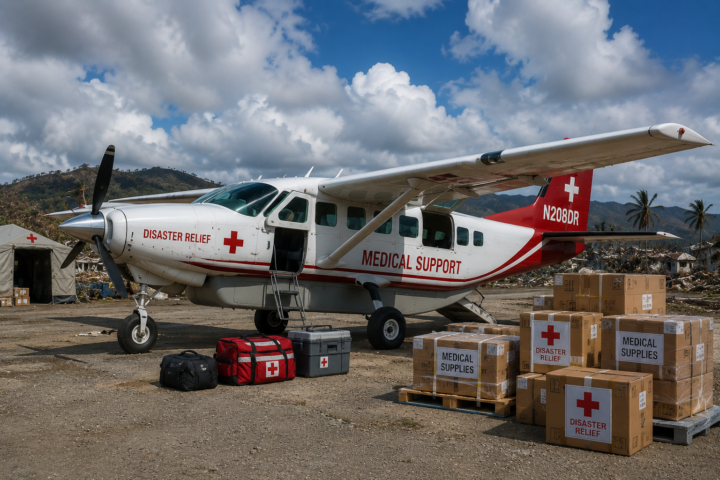
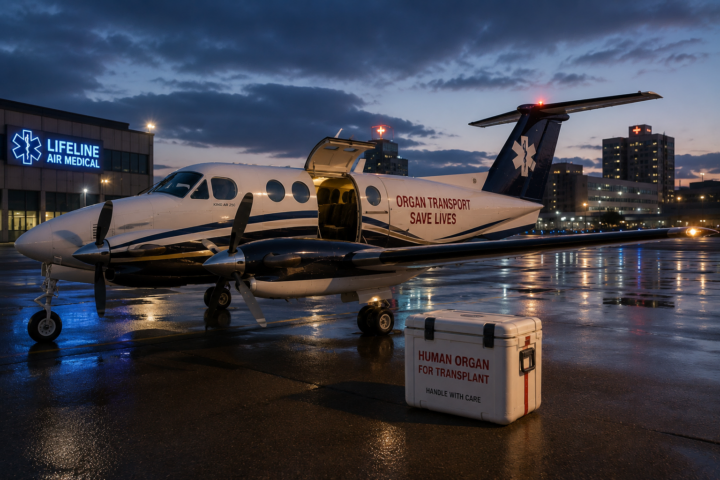
Medical outreach pilots fly missions that deliver healthcare access, medical supplies, doctors, and humanitarian aid to underserved communities.
These pilots often work in remote regions where roads, hospitals, or transportation infrastructure are limited. Medical outreach pilots help connect isolated populations with healthcare services.
This career combines aviation, humanitarian work, and global healthcare support.
Roles and Responsibilities
Medical outreach pilots may:
- Transport doctors and nurses to remote communities
- Deliver vaccines and medical supplies
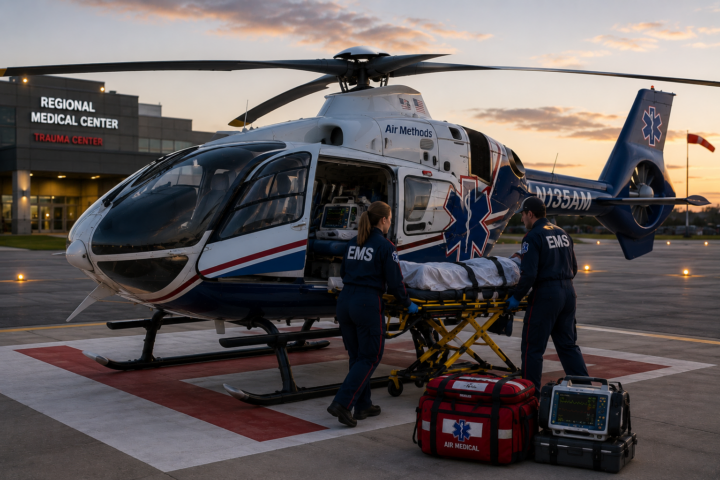
- Fly patients to hospitals
- Support humanitarian missions
- Conduct logistics flights for nonprofit organizations
- Operate in remote airstrips
- Coordinate with aid organizations
- Maintain aircraft safety in difficult environments
Pilots may work domestically or internationally.
Typical Mission Locations
Medical outreach pilots may fly in:
- Alaska
- Africa
- South America
- Pacific islands
- Mountain regions
- Disaster-affected areas
- Rural communities
Some missions involve landing on dirt runways, grass strips, or undeveloped airfields.
Salary Expectations
Salaries vary widely depending on the organization.
Some nonprofit or missionary organizations offer modest compensation packages, while larger humanitarian aviation organizations provide competitive professional pilot salaries.
Approximate ranges:
- Entry-level humanitarian aviation: $40,000–$70,000
- Experienced outreach pilots: $70,000–$120,000+
Pilots often value the mission and service aspect of the role as much as the salary.
Education and Training
Medical outreach pilots typically need:
- Commercial Pilot Certificate
- Instrument Rating
- Multi-engine experience
- Bush flying or remote operations experience
- Advanced navigation skills
Many organizations prefer pilots with:
- Humanitarian experience
- Cultural awareness
- Leadership skills
- International operations knowledge
Important Skills
Medical outreach pilots need:
- Adaptability
- Problem-solving abilities
- Strong communication
- Independence
- Cultural sensitivity
- Mechanical awareness
- Navigation skills
Pilots often operate far from major airports and must be self-reliant.
Major Organizations and Employers
Organizations involved in medical outreach aviation include:
- Mission Aviation Fellowship (MAF)
- Samaritan’s Purse Aviation
- Angel Flight organizations
- Remote Area Medical support programs
- Humanitarian air services
- International aid organizations
Why This Career Matters
Medical outreach aviation improves healthcare access for millions of people living in isolated areas.
Pilots may help:
- Deliver vaccines
- Transport emergency patients
- Support disease prevention programs
- Bring doctors into remote villages
- Assist underserved communities
Career Challenges
Challenges may include:
- Remote living conditions
- Limited infrastructure
- Difficult weather
- Long deployments
- Operating in rugged terrain
However, many pilots find the humanitarian impact deeply meaningful.
Why Students Should Consider This Career
This career is ideal for students who:
- Want to travel
- Enjoy adventure aviation
- Care about humanitarian service
- Want meaningful international work
- Love flying in remote environments
FAQs
Do medical outreach pilots travel internationally?
Many do, although some work entirely within the United States.
Is bush flying experience important?
Yes. Many outreach missions involve remote airstrips and challenging terrain.
Can fixed-wing pilots work in outreach aviation?
Absolutely. Most outreach operations use fixed-wing aircraft.
Ready to soar in your aviation career?