What Does an Organ Transport Pilot Do?
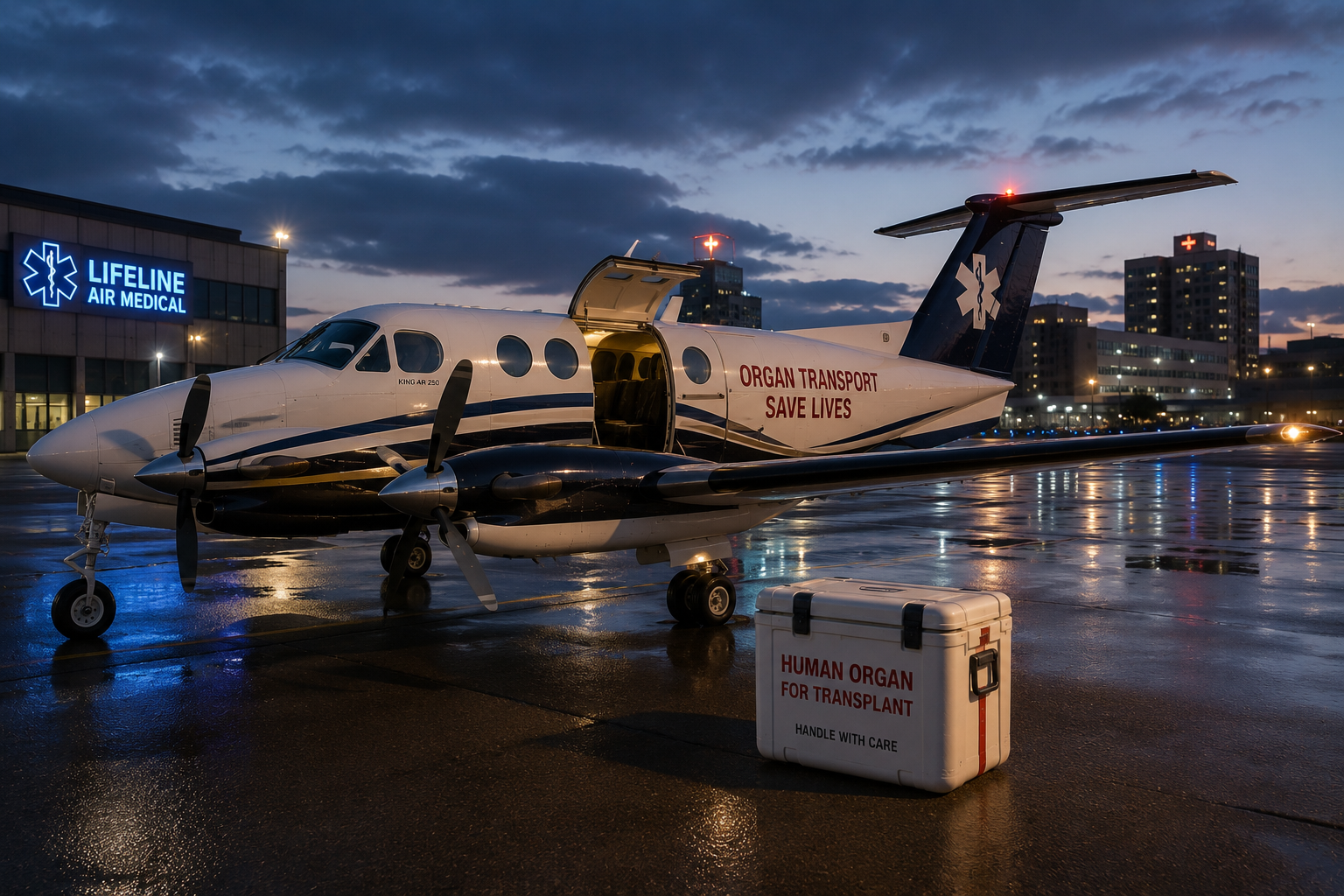
Organ transport pilots fly life-saving missions carrying donated organs, transplant teams, and medical equipment between hospitals and transplant centers.
Time is incredibly important in organ transportation. Hearts, lungs, kidneys, and other organs have limited viability windows after donation. Organ transport pilots help ensure organs arrive quickly and safely for transplant surgeries.
This career combines aviation with one of the most important parts of modern healthcare.
Roles and Responsibilities
Organ transport pilots are responsible for:
- Flying transplant teams and medical personnel
- Transporting organs safely and quickly
- Coordinating with hospitals and transplant coordinators
- Managing rapid-response flight operations
- Conducting weather analysis and route planning
- Maintaining aircraft safety standards
- Flying day and night operations
- Operating under strict timing requirements
These missions are highly time-sensitive and require exceptional professionalism.
Aircraft Used in Organ Transport
Common aircraft include:
- Beechcraft King Air
- Pilatus PC-12
- Learjet aircraft
- Citation jets
- Turbo Commander aircraft
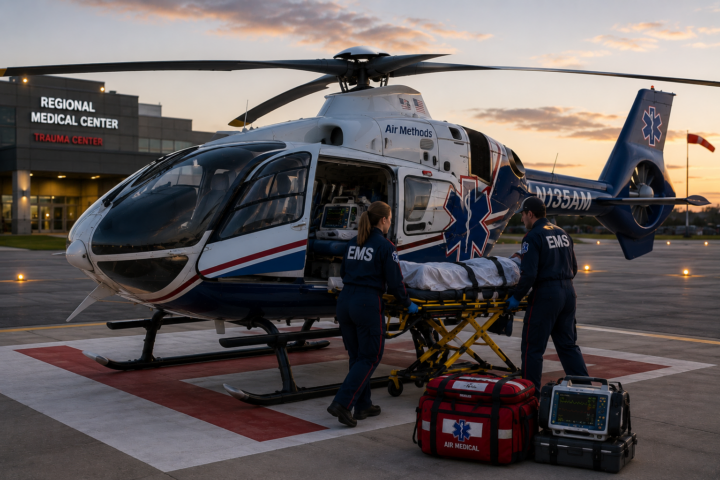
Helicopters may also be used for short regional transfers.
Salary Expectations
Organ transport pilots are generally paid similarly to other professional medical transport pilots.
Depending on experience and aircraft type, pilots may earn:
- Entry-level: $60,000–$90,000
- Mid-career: $90,000–$140,000
- Senior captains: $150,000+
Commercial pilot salary data from the U.S. Bureau of Labor Statistics supports strong long-term earning potential in specialized aviation careers.
Education and Training
Students interested in organ transport aviation should pursue:
- Strong academic performance
- Aviation training programs
- Instrument flying skills
- Advanced commercial aviation certifications
Most organ transport pilots hold:
- Commercial Pilot Certificates
- Multi-engine ratings
- Instrument ratings
- ATP certificates for larger aircraft operations
Many pilots also have previous experience in:
- Charter aviation
- Corporate aviation
- Regional airlines
- Air ambulance operations
Key Skills
Important skills include:
- Precision flying
- Time management
- Communication
- Professionalism
- Crew coordination
- Stress management
- Decision-making
Because organ transport involves strict timing windows, pilots must operate efficiently while maintaining complete safety.
Work Environment
Organ transport pilots may:
- Travel frequently
- Work on-call schedules
- Fly at night
- Operate in varying weather conditions
- Work irregular hours
Missions can happen at any time depending on transplant availability.
Major Employers
Potential employers include:
- Organ procurement organizations (OPOs)
- Hospital aviation departments
- Charter aviation companies
- Medical transport operators
- Corporate flight departments supporting healthcare systems
Examples of transplant organizations include:
- United Network for Organ Sharing (UNOS)
- LifeLink Foundation
- Gift of Life organizations
Why This Career Is Important
Every organ transport mission represents an opportunity to save a human life.
Pilots play a direct role in helping patients receive critical transplants. Without aviation, many organs could not reach recipients in time.
Career Advantages
Benefits may include:
- High-impact work
- Advanced aviation experience
- Competitive salaries
- Professional flight operations
- Purpose-driven missions
FAQs
Are organ transport pilots airline pilots?
Some are former airline pilots, but many come from charter or medical aviation backgrounds.
Do organ transport pilots fly jets?
Yes. Many organ transport missions use turboprop aircraft and business jets.
Is this a growing field?
As transplant medicine advances, aviation continues playing an important role in organ transportation.
Ready to soar in your aviation career?