How the right environment supports safety, confidence, and long-term aviation careers
Choosing a flight school is one of the most important decisions a future pilot, and their family, will make. With aviation career pathways expanding and demand for commercial pilots forecast to remain strong, parents today are focused not only on safety and training quality, but also on long-term outcomes. The right university flight program should support all of those priorities, helping students gain the skills, maturity, and confidence they need to succeed in a demanding, competitive industry.
Here are several key factors parents should consider when evaluating university aviation programs and how these elements shape a pilot’s development well beyond the checkride. A 1. Strong, Transparent Safety Culture
Safety doesn’t come from aircraft alone; it comes from the attitudes, habits, and expectations built into daily training. Parents should look for programs that emphasize standardized procedures, proactive risk management, and open communication between students, instructors, and leadership.
Programs that participate in external evaluations or competitive safety events demonstrate this commitment in measurable ways. Collegiate flight teams that consistently perform well in events like NIFA SAFECON typically reflect an institutional culture where safety and precision are taken seriously.
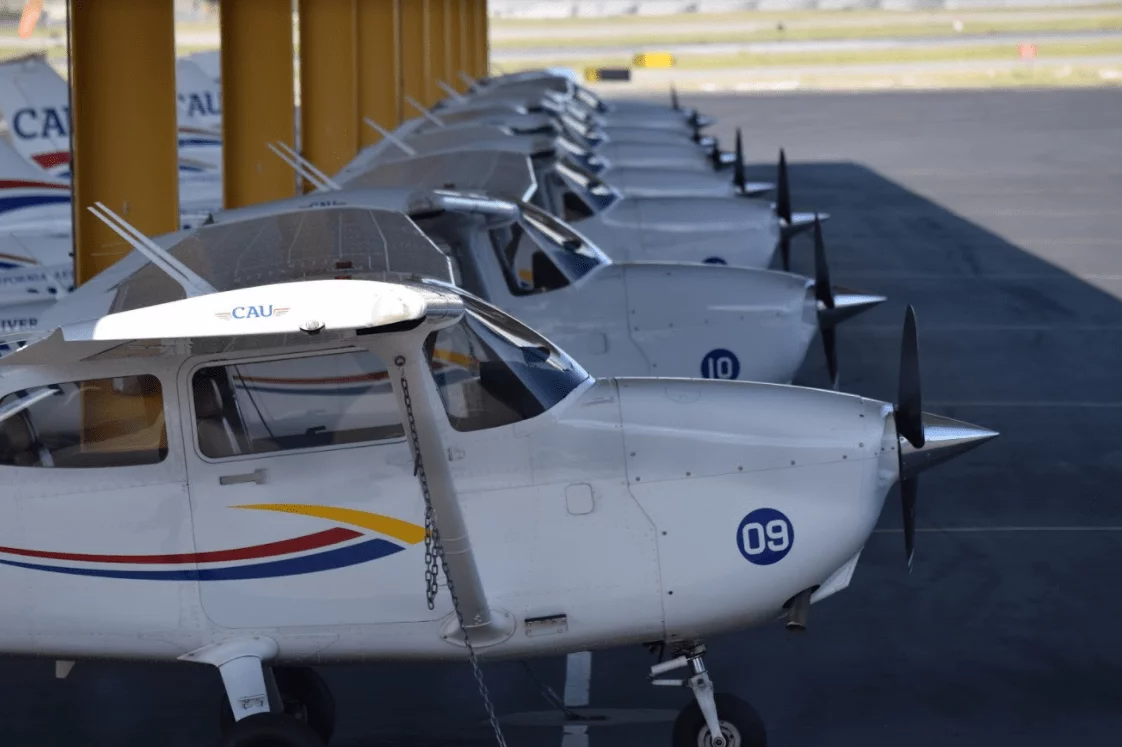
California Aeronautical University (CAU) is one example. At this year’s SAFECON Region II regional competition, the CAU Flight Team earned 1st Place in the Competition Safety Award, highlighting the value of a consistent, safety-first environment.
2. Career-Aligned Academics with Flexibility
Parents increasingly evaluate whether an aviation degree will prepare their student for a long and dynamic career. A strong program blends theory, decision-making, leadership, and aeronautical knowledge with hands-on experience.
Online or hybrid academic options also help student pilots balance flight schedules, weather delays, and other responsibilities. CAU was recently recognized by Newsweek as one of America’s Top Online Colleges for 2026, reflecting the strength of its academic offerings.
Another important consideration is how efficiently students can progress through their training. CAU’s FAA approval for Examining Authority in both Instrument and Commercial Pilot courses allows the University to conduct practical tests internally. This streamlines scheduling, reduces delays, and helps students stay on track while upholding the FAA’s highest standards.
3. Opportunities Beyond Flight Training
Some of the most important learning a pilot does happens outside the cockpit. Parents should look for programs that help students develop:
- leadership
- judgment
- teamwork
- communication
- professionalism
Competitive flight teams, clubs, and community engagement all help students become well-rounded aviators.
CAU’s award-winning Flight Team has earned honors at both regional and national competitions, including 1st Place in Power-Off Landing at Nationals, 1st Place in Unlimited Navigation at Regionals, 2nd Place Overall at Regionals, and the Team Sportsmanship Award at both events. These achievements demonstrate not only pilot skill, but also camaraderie, character, and strong peer networks.
4. A Clear Path Toward Real-World Readiness
Airlines and corporate operators look for pilots who show more than the minimum hours. They value professionalism, situational awareness, adaptable decision-making, and strong communication.
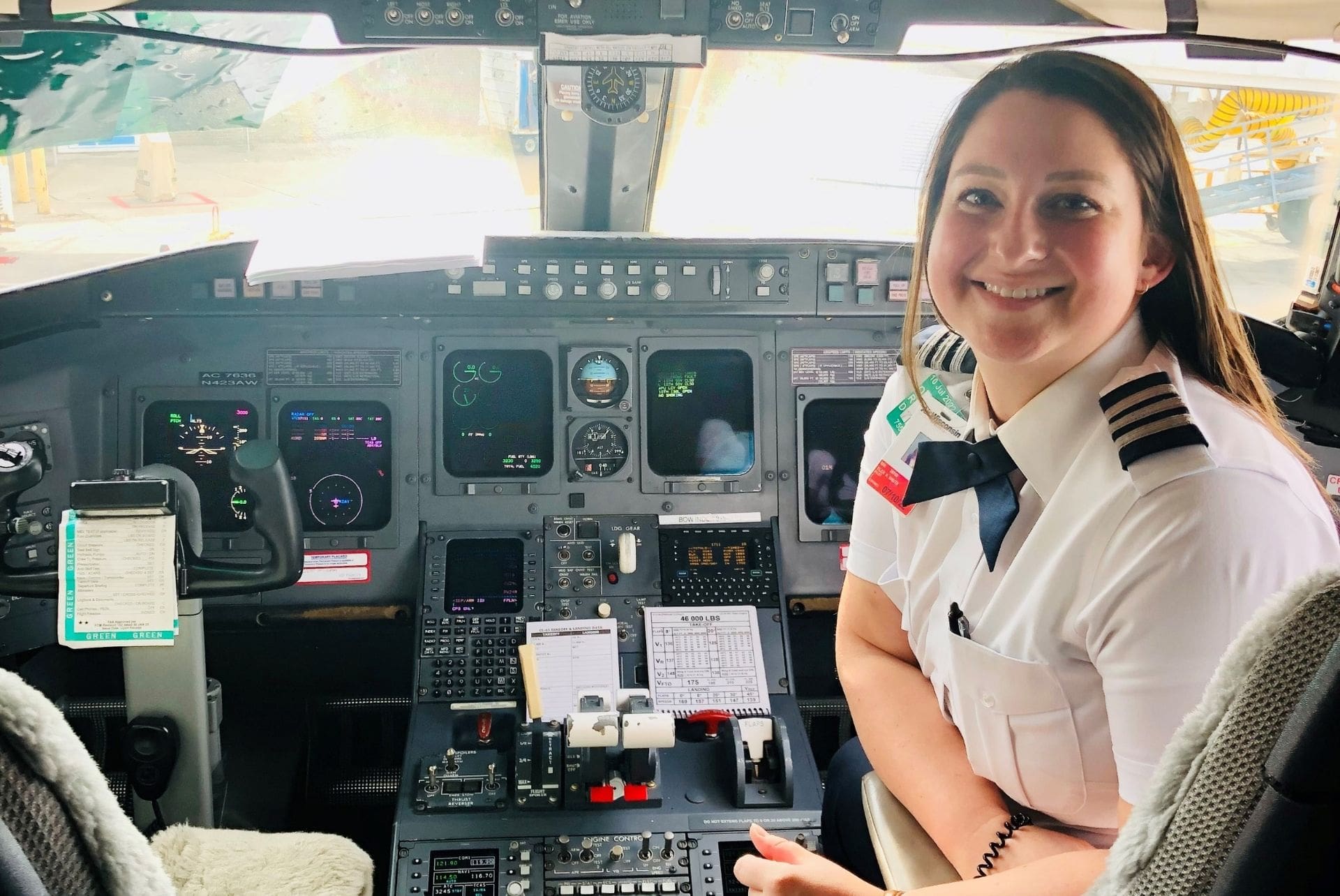
Parents should consider how each program supports these long-term competencies and prepares students for their first aviation job. CAU provides graduate services that help students navigate airline partnerships, prepare for interviews, and build confidence—especially important as many young pilots face their first-ever professional interview when applying for a CFI or airline role.
Support for Long-Term Career Advancement
For many entry-level pilots, the first job is just the beginning. Whether the goal is upgrading from First Officer to Captain, moving from a regional carrier to a major airline, or transitioning into corporate or specialized aviation roles, long-term advancement requires more than flight hours alone.
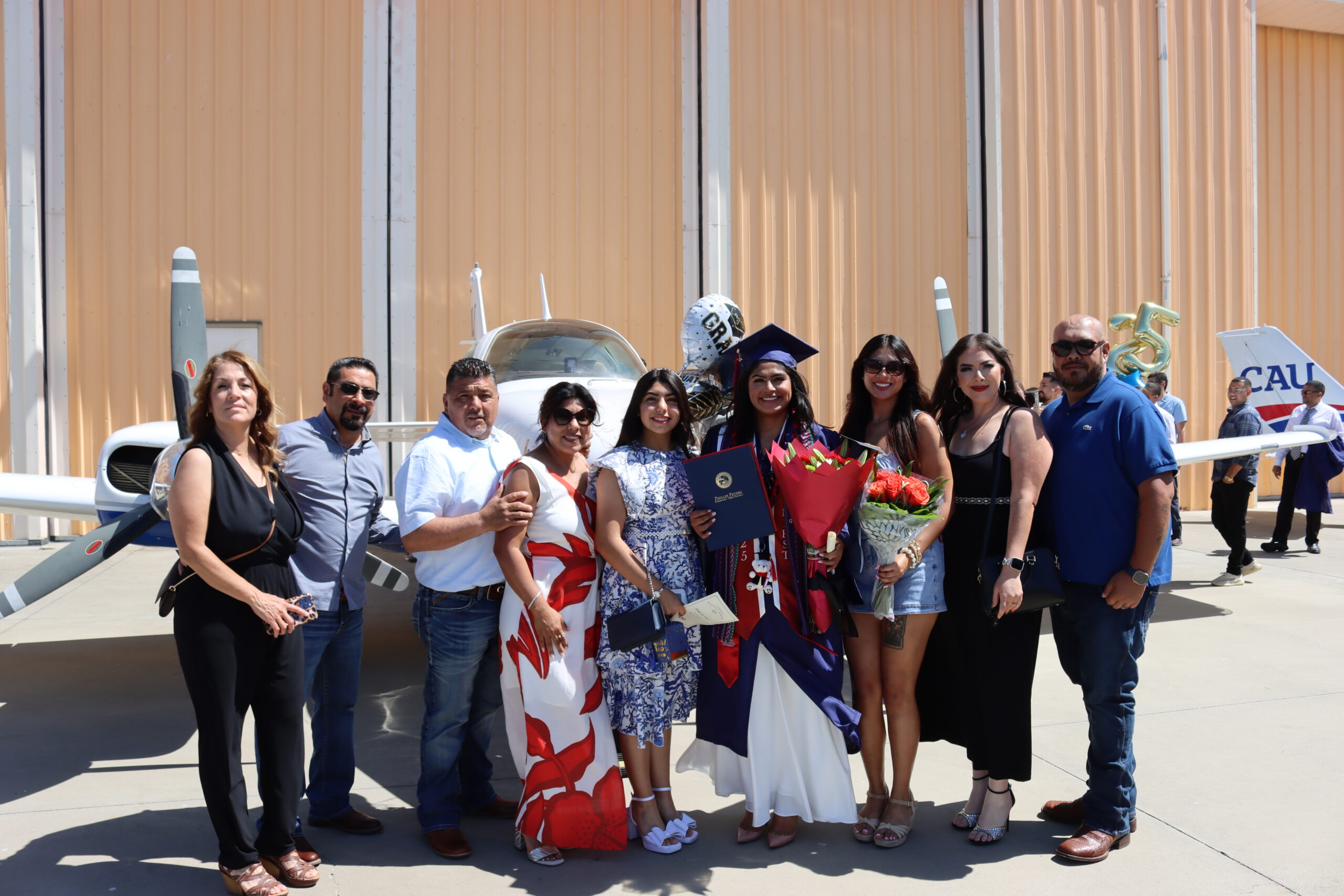
Parents should look for university programs that understand these milestones and actively prepare students for what comes next. This includes strong alumni networks, career mentorship, interview preparation, and ongoing professional development support. Programs that stay engaged with graduates—helping them navigate upgrades, transitions, and new opportunities—provide lasting value well beyond initial placement. At institutions like California Aeronautical University, the focus extends past the first job offer to developing well-rounded pilot candidates—professionals who can impress hiring panels with their judgment, communication skills, leadership, and maturity, not just their flight hours.
Ready to soar in your aviation career?